
I’ve owned several waders through the years, but most were heavy neoprene models, which are great for late-season waterfowl hunts. However, after sweating bullets during an early teal duck hunt in September a couple of years ago, I vowed to try something different.
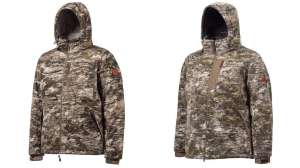
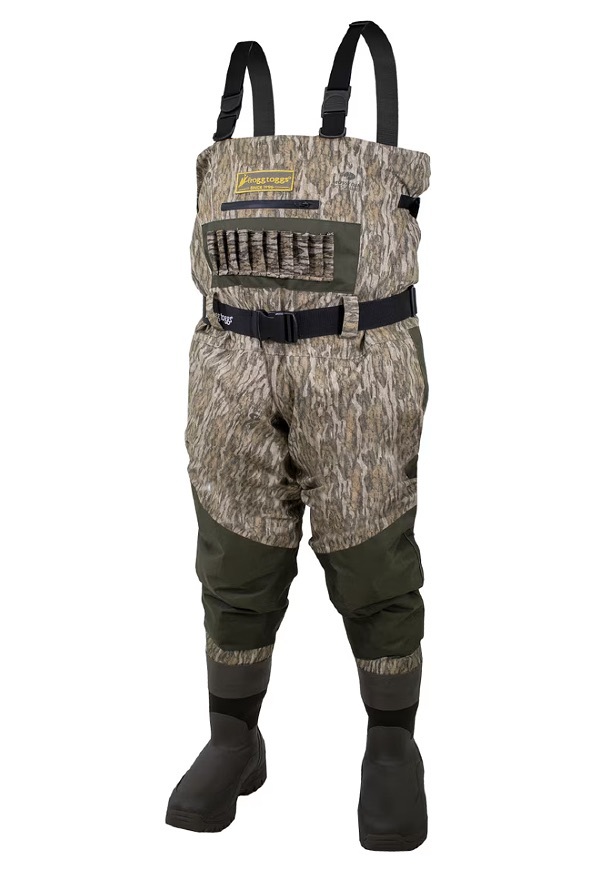
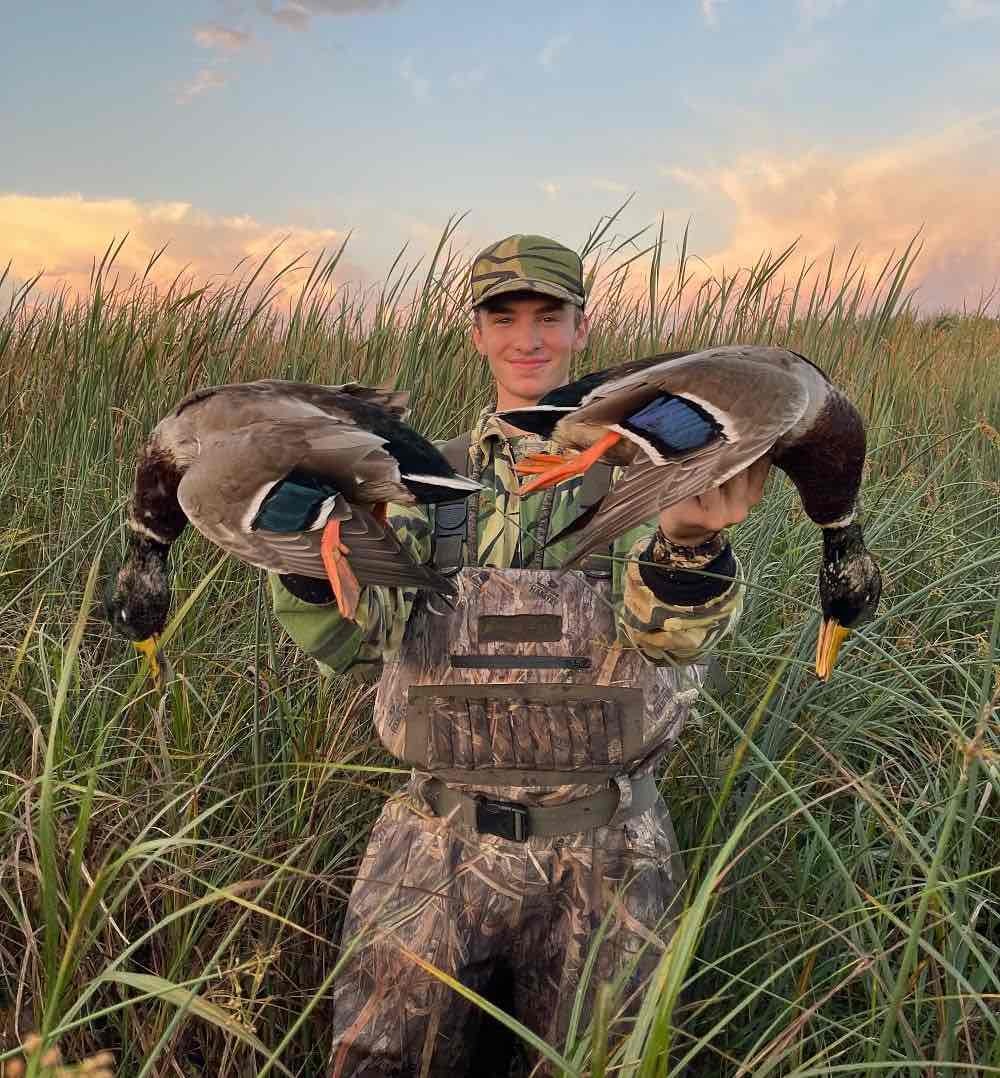
I decided on the Grand Refuge 3.0 Bootfoot Wader from Frogg Toggs (MSRP: $449.99). While this wader has insulated boots, it also features a zip-out insulated liner, and my hope was the wader would offer versatility — comfortable enough for hot-weather early season duck hunts, yet warm enough when worn later in the fall. Obviously, it’s a compromise trying to have one wader work throughout an entire waterfowl season, when air temperatures — at least in my home state of Minnesota — can range from 90 degrees to 10 degrees.
First Impressions
When I unboxed the Grand Refuge 3.0 wader, I immediately noticed that it was much lighter than any of my neoprene waders. I couldn’t find a weight listed on the Frogg Toggs’ website, so I grabbed my digital scale (fishing) and it indicated 8 pounds, 11 ounces. Keep in mind my wader is quite dirty from recent use in the duck marsh, so it might weigh a couple ounces less when new. Note: I weighed it with the quilted liner removed, but the liner is feather light.

For comparison, I also weighed my favorite neoprene wader: 13 pounds, 9 ounces. Basically, the Refuge weighs 5 pounds less, which is a HUGE difference when grinding on a long hike to a remote slough.
In addition to the weight, I was impressed by the Refuge 3.0’s overall quality. Of course, a torture test — i.e. several public land duck hunts — would reveal whether the wader would receive a pass or fail grade.

Favorite Features
You can visit the Frogg Toggs’ website to learn everything about the Refuge 3.0 wader, so I’ll touch on a few of my favorite features.
- Four-ply polyester upper includes heavy-duty nylon in high-wear areas. The material seemed tough to the touch when I first examined it while unboxing, and I’m happy to report it passed with flying colors after one season of hard use.
- Removable, 120-gram, quilted INSUL-LITE insulated liner was quick to remove, and it’s labeled well to make it easy to zip back into place. During the 2023 Minnesota duck season, my son Elliott and I took turns testing the wader, and we hunted most of the fall with the liner removed. We zipped it back in place for only a couple of weekend hunts in late October and early November.
- Internal, zippered, flip-out, see-through pocket kept my phone dry and allowed me to check the time for legal shooting without removing my phone. I kept my wallet in the front pocket that has the water-resistant zipper.
- Internal fleece-lined hand warmer pocket kept my hands warm while waiting on ducks.
- Unlike many waders that have Velcro waist belts, which fail to work well once they get clogged with mud, the Refuge 3.0 belt tightens with a durable, locking buckle system; it’s simple and dependable.
- 5mm, 1,200-gram Thinsulate Ridgebuster boot is comfortable and warm. Yes, it’s too warm for early season duck hunts, but as I mentioned earlier, it’s a compromise.
- A comment regarding sizing: My son and I both wear size 10 boots, which is why we are able to share the one wader. The Refuge 3.0 is available in slim, regular and husky versions; we have a size 10 regular. I’m 5 feet, 9 inches and weigh 175 pounds. My son is the same height but weighs 20 pounds less. In my opinion (and my son agrees), we’d be better served with the slim version; the regular version is a bit baggy for each of us.
Season No. 2 Underway
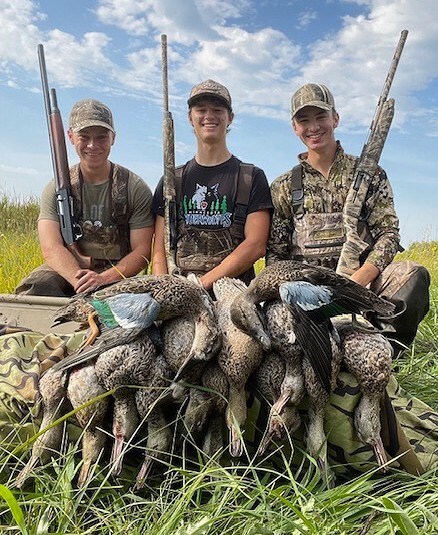
As I’m writing this article (mid-September 2024), my son and I have one full duck/goose season (2023) using this Refuge 3.0 wader, and a couple of hunts this year. Of course, the No. 1 deciding factor on how well a wader performed is whether it leaked, and I’m happy to report that the Refuge 3.0 continues to keep us 100 percent dry.
I’ve examined the wader material closely, especially in the usual high-wear areas (knees, seat, etc.), and I can find no spots showing significant wear. All the seams appear solid, and the boots look great, too. Yes, my wader is dirty, but in terms of material integrity, everything appears like new.
Final Thoughts
As I mentioned previously, I own neoprene waders, and while they are excellent for late-season duck/goose hunts, they are too heavy and warm for early season pursuits. Thankfully, the Frogg Toggs Grand Refuge 3.0 wader has performed well for me and my son in a variety of conditions.
The wader is lightweight, comfortable, has some hunt-friendly features, and most of all, has kept my son and I dry. We look forward to sharing the wader again this fall. I fully assume it will continue to perform well, and if it does, then I know I’ll be giving my son his own Grand Refuge 3.0 wader for Christmas 2024.
Sidebar: What About “Breathable” Waders?
I once experimented with a so-called “breathable” wader (think Gore-Tex and similar materials) for duck hunting, but it kept me dry for only a few duck hunts. I never put a hole in them, and none of the seams failed, but what happened — at least the best I can figure — is the wader material became so clogged with mud that the breathable/waterproof material failed. And even though I tried cleaning the wader several times, the material continued to leak in the thigh areas. Because my son and I duck hunt a lot of public land, and dealing with shallow muddy sloughs is the norm, I’ll never again spend money on “breathable” waders. The Frogg Toggs Refuge 3.0 wader discussed in this field test article feature a four-ply polyester upper; they are NOT breathable, which in my opinion is a good thing if you want to stay dry!