
We dread the last day of archery whitetail season almost as much as we anticipate opening day. Some bowhunters are ready to get back to normal, while diehards may feel lost or empty now that they can’t participate in their favorite activity. So, what do you do in the offseason?
For some, whitetails are a year-round pursuit. Spring is a good time to trim major shooting lanes or move ladder stands. Granted, new growth will pop back up in summer, but doing the work right now gives deer plenty of time to get used to the changes. For many landowners, the offseason is time to tackle timber stand improvement projects and plant and maintain food plots. Then there’s summer scouting, running trail cameras, creating watering holes and setting up mock scrapes. Whitetail season is practically a full-time job! But there are other ways to pass the offseason, too.
Keep Hunting!
If you’re not quite ready to trade the bow for work gloves, another option is to hit the road and hunt another state to pursue other species. Maybe hogs in Alabama? Or exotics in Texas? It's pricey and not for everyone, but an African safari might be an option. Safaris are typically conducted from spring through summer, during the offseason back home.
Keep in mind it doesn’t have to be anything so exotic. Depending on where you live, bowfishing may be an option. Spring is ideal for bowfishing because roughfish such as carp are in the warm shallow water for spawning.
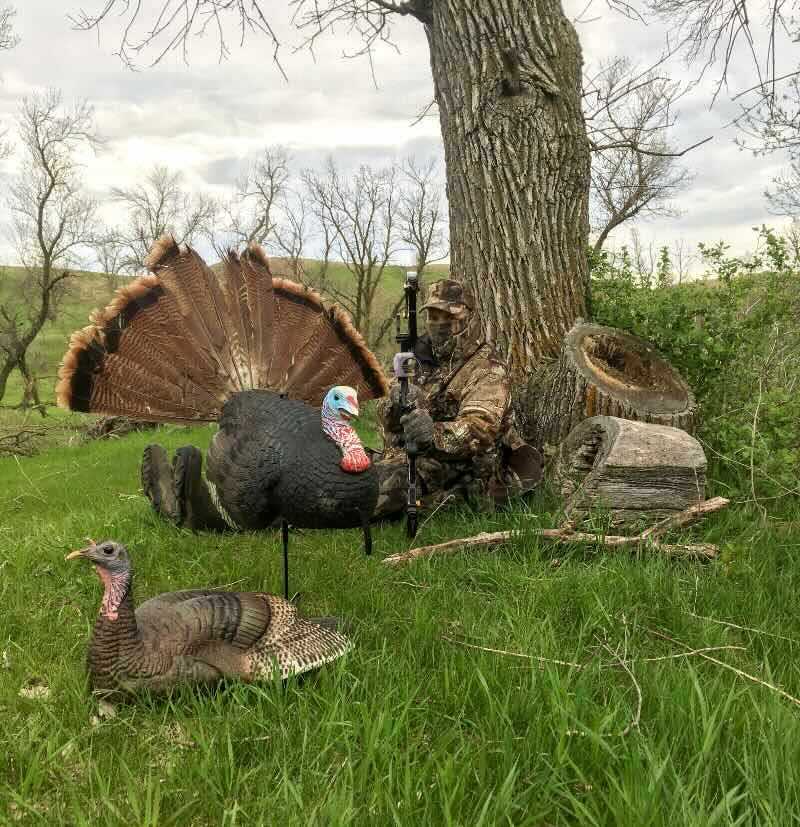
Of course, then there’s always turkey hunting. Spring turkey season has just started in many states, so you can fill the hunting void immediately. Luring a gobbler to in-your-face shooting range is a difficult challenge, especially if you attempt to do so without the aid of a pop-up ground blind. If you think whitetails are skilled at spotting movement, you need to try drawing your bow — in the open air — on a turkey that is inside of 20 yards.
Plan for Next Year
Now is also a good time to start planning your next big bowhunting adventure. The offseason is a good time for sitting at a computer and researching which states harbor the best opportunities for the species you want to pursue. Then you can contact wildlife biologists, study draw odds, do some online scouting and apply for tags. It’s also a good time to contact outfitters and pick the brains of some of their previous clients, if possible. It’s never too soon to plan your dream hunt.
Improve Your Shooting Skill and Test Gear
Joining an archery league is another fun way to pass the offseason. It’s a good excuse to keep shooting, which maintains muscle tone and shooting form. Plus, you might learn tips from other archers or have a chance to try out someone else’s equipment. You’ll likely make new friends and perhaps even meet new hunting partners. Depending on the league, you may be shooting at paper targets, 3-D targets or a projected video screen. Any of these options will help keep you in bowhunting shape and keep your form in-tune during the offseason.
It’s never a bad idea to make improvements to your shooting form. Have a coach or hunting partner watch you shoot and ask them for an honest critique of your form. It may even be time to tear down your whole system and start anew. Maybe try some blind bale shooting to work on your stance, breathing, muscle memory and release. The offseason is the perfect time to work on any problems with your shooting sequence so you’ll be in perfect form when archery season rolls around again.
The offseason is also a good time to analyze your bowhunting gear. Maybe you’ve been thinking about getting a new sight or release but didn’t want to change during the middle of the season. Or maybe now is the time for a new bow. You’ll have plenty of time to get used to it before hunting season. The offseason is also a good time to add accessories or make adjustments. Check over your equipment to make sure everything is in top condition. Wax your string and cables. It may even be time to replace them. Is your string serving unraveling? Are any of the bolts holding your accessories rusty? Give your bow a once-over and maintain or replace parts.
Improve Your Body
Physical conditioning and exercise is always worthwhile, and the offseason is a good time to build a new routine. Now is a great time to stretch, lift weights and do exercises that will improve your strength and agility, which will make you a better bowhunter. A quick internet search can teach you what to do. Just imagine how these exercises could pay off when you have to hold at full draw for an extended period on that buck of a lifetime next fall!
Visit our Store Locator at bowhuntersunited.com/find-store to find a shop near you and get yourself set up with anything you need during the offseason.