
Bowhunters, by the nature of our equipment, harvest game in the exact manner most conducive to the yield of the tastiest flesh. This article explains the reasons behind this reality, and also some tips to make the most of the meat we take.
The cattle industry and various colleges of animal sciences, in the interest of producing the best tasting meats, have painstakingly investigated the production of the most flavorful and tenderest beef, and their research offers bowhunters a wealth of insight. The three key factors are reduction of stress, removal of blood from the muscle tissue, and aging. Let’s delve into each of these.
Stress
Most of us know that stress isn’t good for humans. Neither is it good for the quality of an animal’s meat, bringing about a diminution of flavor and tenderness, a shorter shelf-life, and an increased risk of spoilage. The cattle industry’s studies and experiments involved detailed chemical analysis, but a few relatively simple concepts sum up their findings.
The first concept is that when meat is slightly acidic, the bacteria that tend to colonize it are beneficial; that is, they promote tenderness and enhanced flavor. In addition, chemicals naturally in the animal’s body that serve to break down damaged muscle so it can heal (called proteinases) function well in the mildly acid environment to divide muscle proteins into shorter strands. The result is greater tenderness. In other words, acidity in meat is a good thing; in fact, a lack of acidity favors the growth of harmful bacteria that cause spoilage, off-flavors, and sickness.
So, we want acidity, but how does the meat become acidic? Muscles receive their primary energy supply, along with oxygen, from the blood. This power source is called glucose. However, nature provides a backup energy source for times when the blood cannot keep up with the demand. It is called glycogen and is present in normal muscle. Most of us can remember starting a new ab-workout or running hard after a summer of less activity that resulted in muscle soreness. When muscles are worked harder or faster than the blood can supply glucose, this second energy supply, glycogen, is broken down. However, converting glycogen to energy results in a by-product, lactic acid. When our workout caused muscles to need more energy than the blood could provide, lactic acid was produced, and this acid was responsible for a day or two of soreness in the overworked muscle tissues. The bottom line is that normal muscles have the natural ability to become mildly acidic if the correct conditions are met.
Animals, like people, release cortisol, often called the stress hormone, into the bloodstream when they are stressed. A boost of the stress hormone can help the individual escape from or survive a threatening event, however, its presence in the blood depletes glycogen stores, thereby removing the source of lactic acid formation and the chance of acidifying meat. Both chronic stress and a single stressful stimulus bring about elevated cortisol levels, however, the elevation resulting from a single, one-time stressor is delayed about 15 minutes. The cattle industry has learned that minimizing stress to animals before slaughter allows adequate glycogen reserves for lactic acid production, a paramount factor in producing the best beef.
Bowhunters take unaware and, thereby, unstressed animals. The wound itself can induce some stress but the animal typically expires in less than 60 seconds, well before the 15 minutes required for a cortisol spike. Therefore, fortunately, game hunted by stealth or ambush, is immune from the stress-induced glycogen depletion that prevents meat from acidifying.
Removal of Blood
Exsanguination is a fancy term for the removal of blood from an animal or organ and, for livestock, is an important part of the slaughtering process after stunning. The curtailment of circulation quickly shifts the energy source for muscle tissues from glucose in the blood to stored glycogen, resulting in lactic acid production and the subsequent desirable acidifying of the meat. The length of time muscle produces lactic acid varies with a host of conditions but can be prolonged, continuing even after game is quartered. All hunters and fishermen have, when cleaning game, noted the quivering of the flesh after the animal itself has expired. As an extreme example, once after bowfishing, I beheaded, gutted, and split the many fish in the cooler. Most had been dead for hours. Placing the rack from my smoker in a stainless-steel sink, I added five mesh trays laden with butterflied fish one at a time, sprinkling each with salt and seasoning. Stepping out to ready the smoker, I returned to hear a great commotion and rattling in my kitchen. The whole rack, propelled by contortions and contractions of the dead fishes’ fillets, danced wildly about the sink! This action, occurring in the absence of blood and circulation, was fueled by glycogen. The beneficial production of lactic acid continues as long as any contractions occur.
As bowhunters, we strive to achieve a wound on an unstressed animal that quickly removes blood from circulation. Bow kills result in absolutely ideal conditions for the best quality meat; muscle tissue bereft of blood supply yet retaining adequate glycogen reserves. The resulting acidic nature of the muscle tissues render it ideal for aging, a process that enhances the flavor of the meat while simultaneously increasing tenderness.

Aging
When meat, on the gutted carcass, quartered, or boned-out, is maintained at a temperature slightly above freezing, it is said to “age.” The suggested temperature range is from 34 to 39 degrees. Deer and elk can be hung for two to three weeks. In the south, walk-in coolers are typical in deer camps for this purpose. In climates where deer are hung outside, temperature fluctuations may limit the aging duration. Even a few days of aging provides improved meat quality but, when possible, a minimum of two weeks is suggested. Bear and hogs should not be aged very long at all; three days is more than sufficient, and a week might border on being excessive.
During the aging time, chemicals in the tissues called proteinases, divide muscle fibers into shorter sections and beneficial bacteria likewise tenderize the meat and increase desirable flavors. While these bacteria are helpful, other bacteria can cause harm. As stated, acidic tissue favors good bacteria. Non-acidic conditions, heat, and moisture all favor the growth of harmful bacteria causing spoilage, off-flavors, and even sickness when the meat is eaten. Good practices, outlined later in the article, eliminate this worry. By the way, increased populations of beneficial bacteria inhibit the growth of many harmful bacteria, yeasts, and molds.
Arrow wounds kill almost exclusively from inducing hemorrhage. Therefore, game’s death at the hands of bowhunters precisely parallels the conditions research has demonstrated as ideal for meat quality! That said, it is worth considering the few wounds that fall outside the typical ones.
First, very occasionally, the brain is targeted resulting in an instantaneous kill with no damage to muscle groups. Such wounds, although quickly lethal, allow blood to remain in the musculature. Both oxygen and glucose are available in the blood and are utilized before glycogen. The resulting meat is untainted and wholesome but may not acquire quite as much flavor and tenderness through the aging process and be more prone to spoilage. As a traditional bowhunter, my animals do not fall to head shots. With no chance to experiment, I have speculated if, immediately upon dressing, the deboned quarters and backstraps, possibly scored with a knife tip, are maintained in a bath of ice and vinegar for 36 hours, pooled blood would leach from the tissues while the meat is concurrently acidified by the vinegar. Then, the pieces could be patted dry and aged for 2.5 weeks, perhaps furnishing venison every bit as tender and flavor rich as prime aged fully bled deer. (If anyone tries the idea, please let me know the results!)
Another wound category is not an intentional but rather accidental target. Termed “gut shots,” wounds to the abdominal cavity are almost a hundred percent fatal (although some very few exceptions have been documented). The contents of the digestive tract teem with bacteria, and gut wounds introduce these to the animal’s abdominal (peritoneal) cavity and bloodstream. As these bacteria multiply and invade the host, they infect more and more tissues, eventually causing the blood pressure to plummet. Insufficient oxygen reaches the brain and death ensues. The amount of time for death to occur varies with a whole range of conditions, but stress invariably attends the passing and it is safe to assume the meat will not be acidified. In addition, harmful bacteria have been pumped into all of the tissues. In other words, not only are the conditions tilted for blooms of undesirable bacteria, but these bacteria have already been seeded. If the animal is recovered in a reasonable time after expiring, the flesh can safely be consumed but is not a good candidate for aging.
Arrows seldom, if ever, cause death by shock, but shock is worth discussing for modern firearms and vehicle/game collisions do. Shock results when severe damage occurs to part of the animal. Blood is composed of fluid, called serum, and the red and white blood cells which exchange gases and fight infection. When tissues are damaged, the tiny blood vessels supplying the affected tissues open channels between the cells of their walls. The fluid portion of the blood leaks through these channels into the damaged region. The process is beneficial for minor injuries for it promotes healing. However, when the damage is extreme, so much serum enters the tissue that the volume of blood in vessels diminishes drastically and the blood remaining in circulation is thick and sluggish. The loss of blood volume radically reduces blood pressure. If the decline in blood pressure precipitated by shock does not fall below a threshold value, the animal may survive. A great enough drop in blood pressure compromises the availability of oxygen to the brain with death ensuing. The thickened blood does not circulate well causing blood to remain pooled in the muscle tissue. If, as typical, shock brings about a slower death, cortisol levels spike depleting muscle of the glycogen necessary for lactic acid production. Regardless, with blood available, muscle tissues will fail to achieve the desirable acidification. Most road-killed deer die from shock. Even when recovered fresh, their meat does not often approach the quality of hunter killed venison although it still yields good grind or sausage.
Treatment of Harvested Meat
These unusual cases have been discussed in detail, but bear in mind, far and away, the vast majority of well-placed bowhunting shots bring about quick, clean deaths in a fashion perfectly suited for hunters to reap first-class venison. Having procured excellent meat, what can hunters do to get the very best from it?
As mentioned, two of the factors that promote harmful bacterial growth are moisture and heat. Hunters should do their best to protect their hard-earned venison from both. While it is important not to push a wounded animal before it has had time to expire, recovering it before excessive time elapses is desirable. In the sun, a fallen animal heats quickly. The hair of northern animals often is thick and hollow, designed to maximize heat retention, so, as counterintuitive as it sounds, sometimes game in cooler climates can spoil faster than those in the warmer climes. I have never seen a Florida deer that did not fall in water spoil overnight but have heard of such occurrences in much colder conditions.
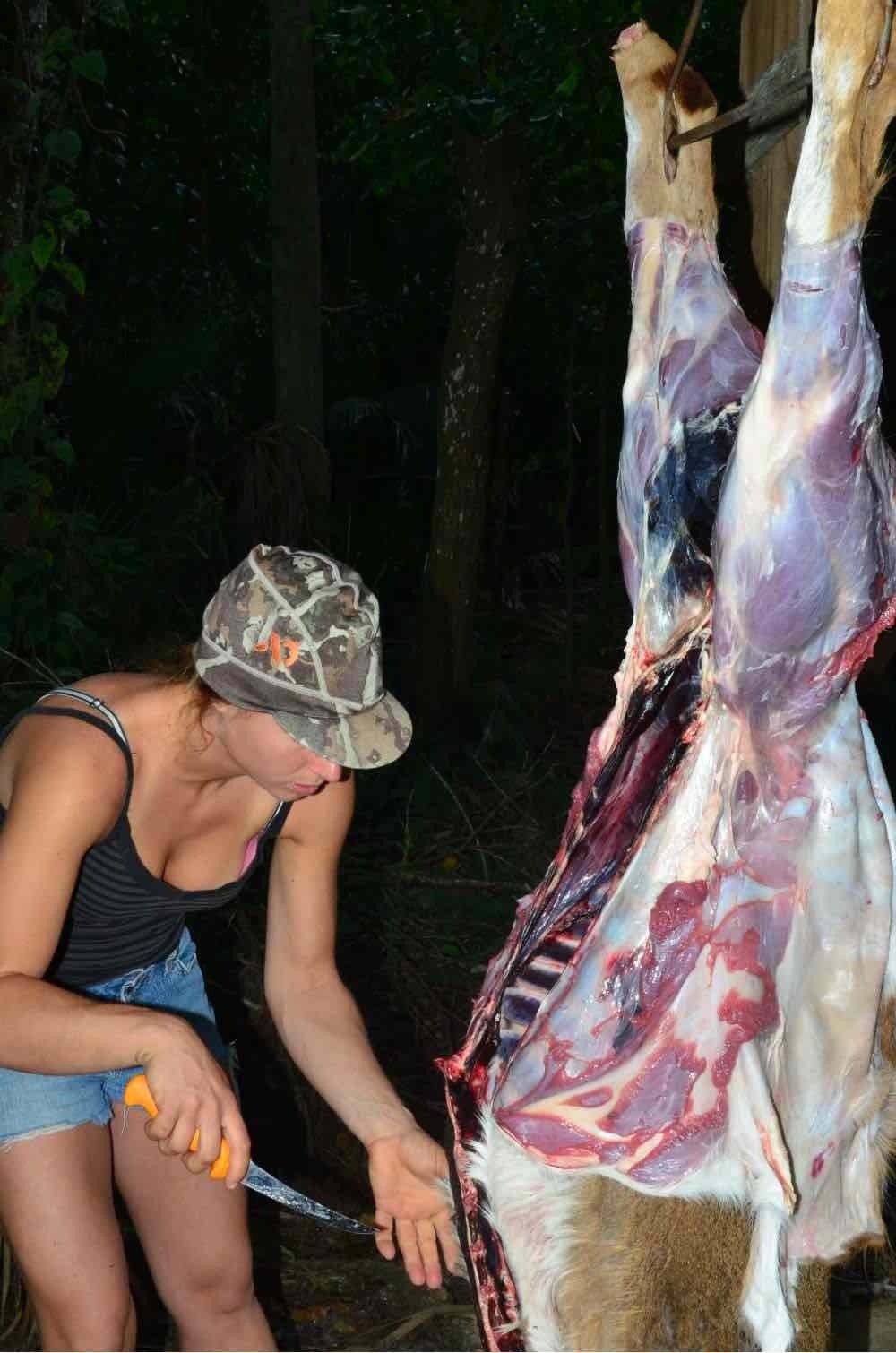
After recovery, the animal should be field-dressed. If a stream or other water is nearby, the temptation to rinse the cavity may present, but it is better to wipe out the ribcage and abdomen with grasses or leaves. Anyone who has read early accounts of hunters will remember frequent references to carcasses being dried with grass tufts. People living primarily off the game they killed knew from experience the best practices.
Some animals are large enough to be quartered on the spot, and others are hauled to a distant site for gutting. If gutted at a camp, it is still best not to rinse with water unless the carcass can be dried. Walk-in coolers have fans to circulate air and usually evaporate rinse water quickly. Elsewhere, if the meat has been submitted to water, it can be patted dry with towels. Avoidance of exposure to water still reigns ideal.
Cooling the meat is important. If quartered and hung in the shade in mild to cold weather, the meat begins to cool. During the season, many hunting areas enjoy cold conditions and cooling is easy. In hot climates, the meat can be placed in insulated coolers or, for whole carcasses, ice can be introduced to the chest cavity. Here arises a dilemma: Both heat and moisture are counter indicated yet the very act of cooling subjects the meat to water from melted ice. Sometimes conditions are extreme enough to dictate the most important course of action. In high heat, spoilage from temperature outweighs the negative effects from exposure to water. Even so, as soon as possible, the meat should be patted as dry as possible, and then maintained in a cool, dry environment. Refrigerators can be employed to keep the meat cold, but care must be taken to ensure air flows on all sides of the carcass or quarters.
Sometimes, say when camping with portable coolers or at the dictates of limited refrigerated space, meat must be kept for temporary periods in plastic bags. Although not as ideal as dry storage, this problem can be overcome by daily removing the meat, patting it dry, draining any blood or fluid from the bag, and replacing it. This relatively minor bit of attention imparts a pronounced difference to meat quality.

Muscle tissue that is harvested in a way to quickly eliminate blood and subsequently is maintained cool and moisture-free yields the most ideal meat. Bowhunting ensures the first part. Judicious treatment of the meat takes care of the rest.
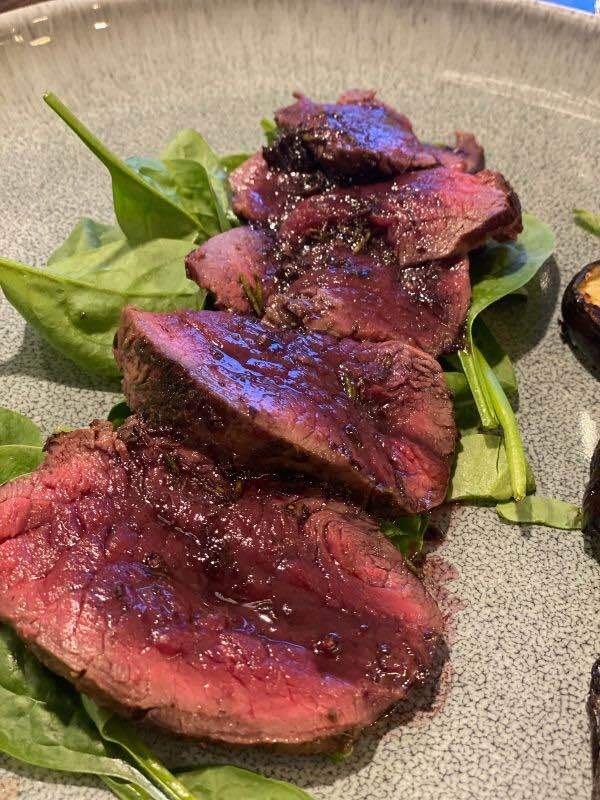
Sidebar: Simple and Superb Backstrap Recipe
A simple yet amazingly tasty recipe for venison backstrap is to marinate the whole (or half) backstrap overnight in olive oil, rosemary and thyme. The next day, remove the meat. Pour the marinade into a skillet and heat. When hot, quickly sear backstrap from all sides. Wrap with aluminum foil and allow to rest. Add red wine and brown sugar to pan remnants. Slice the medium-rare meat thinly. Pour skillet liquid over slices (photo above) and salt lightly.
Photos by Tim L. Lewis