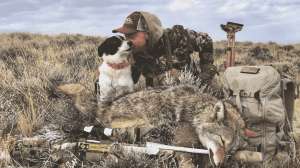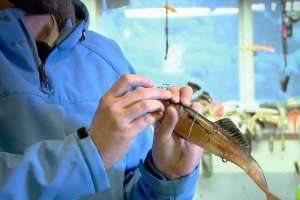

Fur — it’s the real deal. And there’s nothing better than the real thing because nature provides nothing but the best.
In today’s digital world, where people are busy talking about colonies on the moon and life beyond Earth, focusing on fur can seem old-fashioned, even backward. But only to people who no longer understand how humans fit into the natural world.
Fur has been part of human existence since the beginning. What changes is how societies view it. Interest in fur collapsed in the late 1980s and has struggled ever since, but signs remain that it is far from dead.
Some younger generations today seem interested again in certain fur garments. That doesn’t mean a huge comeback is underway, but it is at least movement in the right direction. There is the commercial fur trade, of course, and then there are hunters and trappers who keep and process fur from animals taken adjunctively during hunts. We’re talking about a wide array of hunters and trappers. Each has their own interest in the products.
The established fur market operates much like any other commodity market. Fur, like corn, soybeans and wheat, is a renewable resource. But unlike grain markets, fur markets fluctuate more dramatically because the available supply is far smaller and fashion trends heavily influence demand.
At the moment, the market remains relatively flat. That matters mostly to those deeply involved in the trade because prices often aren’t high enough to motivate casual sellers. Raw coyote pelts today might bring $10 to $30, while prime bobcat hides can range from $250 to $500. Tanned hides generally bring more. As with any commodity, condition, color and quality determine value.
There are also many ways to market fur. Some buyers purchase whole carcasses. Others specialize in green hides, while still others deal in fully processed pelts. Prices vary depending on preparation and quality.
Fashion trends also drive the market. Fur-lined parkas once fueled demand for certain furs, but many retailers have since shifted toward faux fur or “fur-free” marketing campaigns.
I remember when I worked as a reporter in Los Angeles during the 1970s. One of the staff photographers and I spent many weekends in the wilds chasing coyotes and bobcats for the fur trade. He handled the selling and I handled the shooting.
Back then, he was getting about the same money for coyote hides that people get today. Bobcats brought less then than they do now, but when you factor inflation into the equation, fur values have fallen dramatically over the decades.
Still, there is another side of fur that rarely gets enough attention. That is the satisfaction of keeping and processing hides yourself.
Certainly, commercial tanneries are an option and they make sense for many people. But learning to skin, flesh, tan and eventually create something useful from a hide adds an entirely different dimension to hunting and trapping. A hat. Mittens. Maybe even a coat someday.
Over time, even casual hunters can accumulate enough fur to create something lasting and meaningful. There is deep satisfaction in using as much of the animal as possible. Years ago, hog slaughterhouses used to brag they utilized everything but the squeal. Hunters should think the same way.
The farther society drifts from nature, the more important it becomes for those of us still connected to it to preserve these traditions and skills.
This is how people lived from the beginning of time. And maybe it’s how at least some of us should continue living for the rest of it.
As hunters, what we do is real — and part of that reality is fur.
Yes, fur is the real deal.