
Yes, I understand that largemouth bass are generally considered a “catch and release” species. That said, there are some bodies of water where bass are too numerous, meaning there’s too much competition for food, and very few bass grow to large size. In these lakes and reservoirs, it helps the overall bass population to harvest a few smaller fish, those measuring 12 to 14 inches.
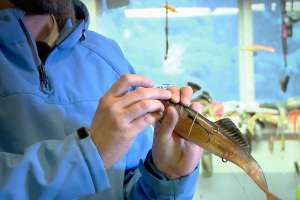
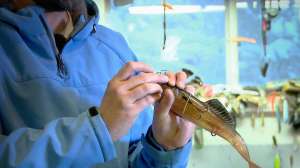
In the 8.5-minute YouTube video below, Caleb Wistad, host of HookedUpWI, demonstrates how to fillet largemouth bass with a conventional fillet knife as well as an electric fillet knife. The latter works well when cutting through the rib bones; the former is a better choice when filleting meat around the rib cage.
Note how clean and white the bass fillets are because Caleb bleeds the fish well before cleaning. Don’t skip this step for best results. Pay attention, too, to how Caleb removes the pin bones. Note: Sunfish, crappies, walleyes, perch and other species also have pin bones that are best removed before cooking.
I harvest largemouths a few times each summer from a nearby clearwater lake that has an abundance of bass but few big ones. I keep the 12- and 13-inchers and release those smaller and larger. I’ll also keep a slightly bigger one if it’s deeply hooked and the chances of it surviving are a flip of the coin. Rather than feed the snapping turtles, I’ll feast on it.
Bass is delicious if cared for properly. (Click here for my favorite method of cooking a meal of fresh fish.)