
You have many factors working against you for archery whitetail success. Even in the early season, when the whitetail population is at its peak before the cherry picking of hunting seasons forthcoming, the odds are against you even more than government tax collectors. Heck, even securing a license these days, not to mention finding time or even land to hunt, all can be problematic to your success.
If that’s not enough, consider the following five factors. Be mindful of them and improvise throughout the early season and you just might find success before the first hint of the rut wafts across the breeze.
1: Drive-Thrus Open Everywhere
As archery seasons start in early fall, food sources abound. Your food plots mature, surrounding agricultural crops are about to be harvested, and masts (acorns and fruit) hang heavy.
This bonanza buffet of options requires constant monitoring for early success. Whitetails, particularly your target buck, can change food preferences as easily as you go through a different drive-thru.
Their instinct drives whitetail bucks to become fatties in the fall prior to impending breeding and winter seasons. Soybeans, alfalfa, clover and anything packed with protein catches their attention. They also don’t ignore carbohydrates that help that layer of backstrap fat. Corn, before drying out and especially mast, such as the ever-popular acorn, can change feeding patterns instantly. When acorns drop, whitetails may disappear overnight. This could occur variably each autumn, but September acorn drops are common across the range of whitetails.
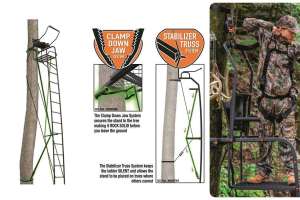
For success, set ambush stands ahead of time at several different locations. A ground blind along a soybean field, a treestand on the perimeter of a stand of oaks and another along the edge of your food plot provides quick transitions as deer swap between enticing browse options.
2: On My Own Again
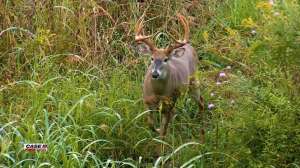
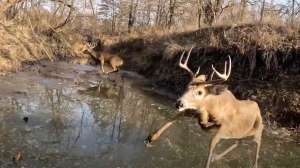
Your start to early hunting could be promising as you target a band of bachelor bucks offering opportunities aplenty … if they step into bow range. Nevertheless, be ready for the boy band to break up. As testosterone rises in whitetails, especially in the latter half of the early season, bucks, starting with mature individuals, separate from bachelor groups. They adhere to the 1980’s hair band song “Here I Go Again” on my own. Since a mature whitetail is your likely goal, be ready for this shifty move.
I won’t bore you with data, but new GPS tracking research reveals even when these bucks leave a bachelor group, they still stay in the territory, sometimes adapting more nocturnal moves and at other times taking advantage of canopy-covered food sources such as the aforementioned acorns.
The good news is whitetail bucks seldom take off to a new home territory although they may begin taking longer jaunts outside of their normal routine with testosterone fueling their moves. Sticking with the status quo keeps young bucks in sight, but you’ll again need to transition to hidden water sources, veiled mast locations and consider hunting farther into timber to intercept solo bucks moving to food but not showing until well after shooting light. To get the jump, pre-set stands and monitor acorn production in the summer for potential attraction.

3: Too Much Hunting Bustle
It’s easy to get excited and over scout and over hunt during early season. Don’t. Bachelor bucks, and even mature bucks beginning to consider a solo life, pattern well until the so-called October lull. Any increased hunting pressure or a sense of your intrusions might alter daily behavior earlier than anticipated.
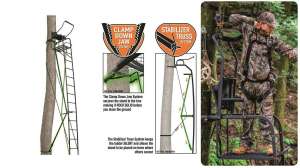
Having all trusted stands prepared before season is a must, especially if you stake ground blinds. Never bet that a deer will accept these pop-up surprises, but they will warm to them over time. Two weeks minimum is the recommended time to have a blind preset. The same goes for treestands and especially trimming of shooting lanes. Get all this done early and get out. In closing, hunt only when conditions are perfect to score on unaware whitetails.
While you are at it, place all trail cameras you need to monitor your ambush sites, and it’s never too early to hang a dripper or Golden Rope as a scent station. I suggest you invest in cellular cameras whenever economically feasible. Plans can be turned on and off to help manage costs. These scouting gems send images straight to your smartphone and you need to visit them infrequently, especially if you use solar charging panels or lithium batteries. For traditional trail cameras, use high-capacity SD cards, the best lithium power and set them where you can quickly and inconspicuously swap cards.
Maintain cameras and establish scent stations (mock scrapes, Golden Rope) on windy days or when farmers are in the field doing work to cover your intrusion. These elements cloak your entrance and gusty winds, used correctly, wash away your presence along with scent-eliminating products.
4: Hot Today, Cold Tomorrow
Weather can be a crusher on your early success. Monsoon rains, extended wind events, plummeting temperatures or soaring heat all alter whitetail behavior. Most studies now conclude that despite these changes, deer still move about the same amount. How they move, though, decreases your odds of success. Like you, deer don’t like to move in the wide open when inclement weather transitions to an all-out weather.gov warning.
When the weather extremes invade your hunt, you need to use the ambush sites you preset, primarily those in cloaked locations or establish new ones in cover. In heat extremes, think of shade, secluded browse opportunities and water if you hunt a semiarid location. For wind and moisture extremes, consider hunting near food plots walled in by dark timber, stands near popular browsing locations and pushing farther into the edges of known bedding cover.
And always keep in mind personal safety with any weather advisories or warnings. Early season thunderstorms have the potential for lethal lightning strikes and hail. Windstorms can topple dead trees or splinter limbs to create falling dangers. One early fall I was caught in a hailstorm so extreme I had to crawl under a log to prevent being pounded by bruising, golf ball-sized hailstones.
5: Green Acres Activity Galore
Your last element of uncertainty to deal with is agriculture. Most whitetail hunters deal with farming and livestock operations either on the fringe of hunting properties or deep in the heart of a tract of land. These functions of national food production could interrupt hunting for a few hours, days or even weeks depending on individual situations. Harvest could be prolonged, drought could move cattle into previously unneeded pastures and seasonal land management (think fencing, fertilizer or tilling) may occur at any time. Communication and standby hunting options must be adopted.
Begin by staying abreast of weather changes and reaching out to land managers on their scheduled tasks during hunting season. Weather influences every action land managers make so a constant line of communication keeps you abreast of where disruptions, machinery or animal invasions could occur. Using your prior hunting experience, hatch reserve hunting ambush sites and possibly even acquiring a replacement property to hunt, such as adjacent public lands.
Early season offers too many windfalls not to exploit. A bit of preplanning puts any opposing force aside to let the best elements work for you.
Photos by Mark Kayser