
Showing up in neighborhoods and parks. Rooting around garbage bins at homes and businesses. Occasional attacks on unsuspecting people doing mundane things. Destroying agricultural crops and threatening livestock. Migrating seasonally to find the best food, water and habitat. Growing in population in alarming numbers throughout the country, spreading ranges as they seek new territory.
If that sounds like feral pigs, you’re absolutely right. They’re a hot mess from Florida to Texas, in California and now making inroads into western Canada. They scare people, can be aggressive and defensive, and have few predators in the wild. During the past couple of years, the news and social media headlines have proclaimed sightings, destruction and general wreaking of widespread havoc. Public parks and cemeteries are affected. Farmers large and small are impacted. Feral pigs are more than a nuisance, for sure.
But all of that can be said for black bears, too, and in more parts of the United States than the nasty, grunting, curly tailed rooters. Bears do many of the same things, with the same tendencies. Seasonal searches for food. Comfortable habituation if food and habitat are available. Typically shying away from humans ... until becoming used to them and sticking around. Persistence on hunting food plots and with feeders, which often don’t stand a chance from a hungry bruin with sharp, powerful claws.
Annual hunting seasons and natural mortality help control populations. But it’s not a stretch to say that black bears, at least in some states and similar to feral pigs, could become the next big wildlife problem in the country.
Numbers and Range
Black bears were innumerable when explorers first arrived in what would become America. From the Northeast to south Florida, west to Texas, and even along the Pacific Coast, bears were part of the fertile landscape. They were here before feral pigs were introduced in Florida during the mid-1500s by Spanish explorers.
Despite rampant hunting, trapping and even attempts at extirpation in some areas, bears have survived. Numbers declined in some states during the 1800s and early 1900s, before wildlife agency restoration efforts helped increase populations. The formation of non-hunting sanctuaries and preserves, such as the Great Smoky Mountains National Park (GSMNP) and others, also was a positive. Bears thrived in such numbers in GSMNP that today, tourists in Pigeon Forge and Gatlinburg on the Tennessee side of the 522,427-acre park often see them in the towns. This past spring while in Pigeon Forge for three days, I kept my head on a swivel while out on daily runs lest I surprise a sow and cubs; fortunately, the only bears we saw were on cans of Smoky Light Lager at Iron Forge Brewing.
Bears range in size based on their diet and other factors, including hunting pressure. Bruins in the North Carolina coastal Albemarle-Pamlico Peninsula, for example, have an incredible amount of food and grow as large as 880 pounds. Most are 200 to 700 pounds, there and elsewhere. Pennsylvania hunters also take some big bruins each year, including some more than 700 and 800 pounds during the past 15 years. With ample rain and mast, bears don’t shy from packing on the pounds for winter hibernation.
Bears are omnivores, seeking and dining primarily on plants and mast. They also are opportunistic and will follow their tremendous sense of smell to any possible food source. That could be something in a house, camper or tent. It might be garbage in a bin behind a restaurant. If a tender whitetail fawn or perhaps a young piglet, goat or chickens at a farm are available, snacks are in order. Some farmers in North Carolina are asking legislators and wildlife officials for help with bears targeting livestock. Feral pigs do the same thing. They’re omnivores and move seasonally to the best food sources. They also will eat snakes, eggs, young animals, fruit, spoiled grain or pretty much whatever smells and tastes good that fits in their mouth.
Hunters often see camera images of bears and feral pigs with fawns in spring and summer. Coyotes, of course, also take advantage of young deer. Research studies in Minnesota, Pennsylvania and Virginia, among others, dating to 1990, have documented more instances of black bears targeting fawns as bear populations increase. Whitetail fawns hide motionless in brush, put there by the doe while she feeds. A fawn’s tawny striped-spotted coat is excellent camouflage. Lack of scent also helps them hide from predators. However, a bear’s sense of smell is incredible, possibly detecting something worth investigating up to 2 miles away. Whether black bears can discern a fawn’s near-nonexistent aroma or maybe follow the scent of the doe is unknown. Either way, a fawn is no match for a bear, similar to how a young elk is prime fare for a grizzly.
In Florida, which will have its first bear hunt this fall since 2015, hunters regularly find spin cast feeders that have been destroyed by bears. Similar problems occur in south Alabama and Mississippi, where smaller populations exist but hunting is prohibited. Louisiana held its first limited harvest season in 2024; hunters there and in Arkansas regularly find destroyed feeders. A metal or plastic drum full of tasty corn is no match for a hungry bear. Feral pigs hoover whatever is on the ground. Bears simply tip over or yank down the feeder and haul off the booty.
Bears are found throughout the United States from Florida to Alaska, and into Canada and Mexico. Sows have a typical home range of about 10 square miles. A boar’s range is about 15 square miles. That’s about three times as big as Los Angeles International Airport, or big enough to hold 7,256 football fields. Estimates of state populations show that hunting seasons and natural mortality aren’t having much significant impact on the growth.
The same can be said for feral pigs, which reproduce more prolifically and can escape or hide easier than bears. I’ve seen a 300-pound boar hide in a Texas prickly pear patch, and a squealing sounder disappear amid cactus and mesquite like gnats in the wind. Feral pigs number in the millions in at least 35 states. Bears aren’t that numerous. But as their numbers increase in rural and developed areas, season bag limits remain low, more human interaction and problems are inevitable.
Headlines, of Course
Thanks to the vastness of the interwebs with its real and dubious news accounts, along with social media, we have more headlines to parse than ever before. Morton’s can’t supply enough salt for everyone to have a grain or tub when considering what’s real.
But common sense usually prevails concerning wildlife encounters. State wildlife agencies provide information and hold meetings about “learning to live with bears” (or alligators, or other animals). But it’s not a stretch to say “learning to live with them” can be incredibly challenging with real headlines such as these:
- Sow Attacks 69-Year-Old Woman in Wisconsin
- Massachusetts Officials in Spring Say to Take Down Bird Feeders
- Bear Caught Behind Counter at Tahoe Ice Cream Shop
- New Mexico Man Kills Bear in Home After Break-In
- Tensions Rise as Black Bear Population Boom Continues
- Feisty 6-Pound Pomeranian Chases Black Bear from West Vancouver Home
- Bear Caught on Camera Opening Door and Entering Colorado Home
These aren’t much different from those involving feral pigs, such as “Florida Wild Hog Busts Into Lehigh Acres Home, Battles Cops.” Some are mundane or interesting, like the yappy Pomeranian chasing away a bear. Good dog! Others are horrific. When bears attack people walking their dogs, in their homes, while working on a tractor or out for a hike, the advice to “learn to live with them” isn’t much use. Attacks by feral pigs are less common but still are a threat. When they regularly appear or destroy parks or public areas, people learn to avoid those areas. A bear sauntering through or showing up in your yard? You can be as “bear aware” as anyone but a surprise encounter doesn’t always end well.
Any Solutions?
Wildlife agencies are akin to the Wallenda family on the high wire when balancing hunting and society. It’s easy to say, “Offer more tags, increase the bag limits on bears!” or gators or deer or hogs. But it’s not always that simple. Wildlife officials must juggle wildlife plans, hunters, non-hunters and state legislators. They might as well be tossing around chainsaws.
Non-hunting citizens might not understand or don’t care about conservation and hunting. They don’t want a “teddy bear hunt” (part of a real Louisiana headline). Many don’t want any hunting. That’s what’s happened in New Jersey, where bear hunts have been controversial for years. Ditto in Massachusetts. Both are similar to the wolf situations in the Great Lakes and Rockies. While the incidents and populations of bears or other wildlife increases, politicians, citizens, hunters and wildlife officials are in a rugby scrum on a muddy pitch. Throw in the “But the insurance companies!” trope for good measure, too. It’s a mess.
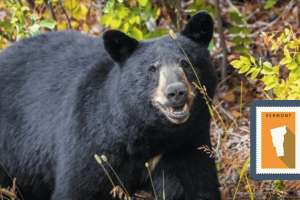
Vermont Fish & Wildlife officials are amid a research project to learn why its bear population continues to be above goal numbers. In a press release in September, the agency said Vermont’s population goal is 3,500 to 5,500 bears. But for the fourth straight year it’s been estimated at 6,800 to 8,000 bears based on 2024 data. Vermont has an annual autumn bear season of about 10 weeks; this year it’s September 1 to November 15.
“Our model shows the bear population has remained above our goal of 3,500 to 5,500 bears since 2021, and that matches up with other indicators of population size that we track,” said Jaclyn Comeau, the department’s lead bear biologist. “High rates of hunter harvest, growing numbers of bears killed by vehicles and increasing conflict between bears and people over the past several years all support that our model is reflecting real population growth.”
Eighteen sows were fitted with GPS collars this past summer. Biologists will visit the collared bears’ dens this winter to confirm litter size and then track the family units through the cubs’ first year. Better understanding of bear reproductive success should yield insights about the population growth.
“Anecdotally, we are hearing about more bears with large litters of three or four cubs,” Comeau said. “In our hunter harvest data, we are seeing a larger proportion of young adult bears in the 2- or 3-year-old range. We think this is a result of several years of healthy bears having many cubs, coupled with the resources for those bears to help their cubs survive until they can fend for themselves. Our next step is to see if that explanation, which we think is likely, lines up with conditions on the ground.”
Research and data are beneficial, as is input from hunters and citizens. Consideration of increasing bag limits shouldn’t be dismissed. Bait and hounds are effective. Reducing the cost of non-resident license fees to encourage more hunting is a thought. Unless some things change in states with problem bears, the situation will remain status quo. Black bears aren’t strolling stride-by-stride with feral pigs just yet, but they’re not far behind.
Bear Population Estimates
Georgia: 5,100
Florida: 4,000+
Alabama: 500
Tennessee: 5,500+
South Carolina: 1,100
North Carolina: 12,000 (coast), 8,000 (western mountains)
Virginia: 17,000
West Virginia: 13,000
Arkansas: 5,000
Oklahoma: 1,300 in southeast part of state
Louisiana: 1,500
Missouri: 800
Kentucky: 1,500+
New York: 6,000 to 8,000 in areas open to hunting
Pennsylvania: 18,000
Massachusetts: 4,500
Maine: up to 36,000
Vermont: up to 8,000
Maryland: 2,000
Arizona: 3,000
California: up to 71,000
Minnesota: up to 18,000
Wisconsin: 24,000
Michigan: 13,000
Source: State wildlife agencies; numbers might be higher, such as in New York where figures are for areas open only for hunting