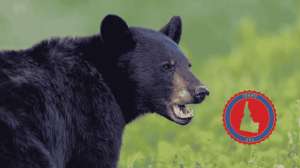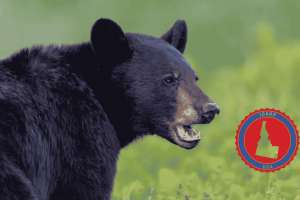

New York black bear hunters harvested an estimated 1,685 bears during the 2024 big-game hunting seasons, a 24 percent increase from the previous season. Officials with the state Department of Environmental Conservation say the total is 13 percent higher than the 5- and 10- year averages, as well. Widespread drought during the 2024 season is believed to have contributed to more bears moving in search of food and water and higher hunter success.
Hunters harvested an estimated 657 bears in the Northern Zone and an estimated 1,028 bears in the Southern Zone. Wildlife Management Units (WMUs) within the Catskills and western Adirondacks continued to produce the highest harvest densities. In WMUs 3C, 3K, 3M, 4P, 4R, 4W, 4Z, 6C, 6H and 8Y, hunters harvested more than 10 bears per 100 square miles. Hunters took more than 14 bears per 100 square miles in WMUs 3C and 6C.
Long-term trends in bear harvest density suggest that bear populations have stabilized in Northern and Southern zones. This comes after population expansions that contributed to peak bear harvest densities throughout the early 2000s.
The largest bear taken this past season weighed 564 pounds and came from WMU 5J near Wilton in Saratoga County. The highest bear harvest density of any WMU was 14.4 per 100 square miles, coming from WMU 6C. Black bear harvest data are gathered from two main sources: harvest reports required of all successful bear hunters and the physical examination of harvested bears by cooperating taxidermists, meat processors and hunters through DEC’s Black Bear Management Cooperator Program. Harvest estimates are made by cross-referencing the two data sources and determining the rate at which hunters report their bear harvests in each zone.
DEC biologists received 677 pre-molar teeth in 2024. Studying the teeth helps determine age. The oldest bear taken in 2023, the most recent year for which age is available, was 21 years old. It came from WMU 5H near Webb in Herkimer County.