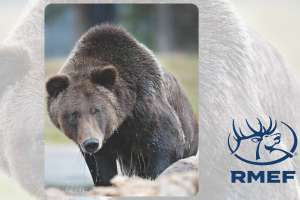

Bear hunters in Wisconsin blew past the overall harvest target, reporting 4,275 bears during the 35-day season. That total was slightly above the Department of Natural Resources’ overall harvest target of 4,160 bears.
The 2026 bear season ran from September 15 through October 13. State officials awarded 15,245 bear hunting licenses through the license lottery system. These preliminary harvest results do not include bears taken via agriculture damage tags (60 bears), the Learn to Hunt program (34 bears) or tribal harvest (n/a). More than 146,000 people applied for a bear hunting license or preference point for the 2026 season. That was an all-time high record number of applicants. Wisconsin’s bear population is estimated at about 24,000 bears, with a range of more than half the state.
“The big story across the northern part of the state was the ongoing drought conditions, particularly in northwest Wisconsin, and how the dry conditions might affect bear activity,” said Randy Johnson, DNR large carnivore specialist. “A different story emerged in southern parts of Wisconsin, with reports suggesting abundant acorns in many areas, along with agricultural crops, which often draw the attention of bears away from hunter baits in these areas. These patterns played out with bear harvest being above expectations in the northwest part of the state while at or near expectations across the rest of the state.”
Hunter success rates were above average in Zones A and D. Success was most pronounced in counties such as Barron, Burnett, Polk and Washburn, which all contributed to the Zone D harvest being the largest to date for the area. Nevertheless, the harvest level remains consistent with the current management objective of bear population reduction for this area of the state.
Across central and southern Wisconsin, total harvest was predictably up somewhat this year compared to last, due in large part to increasing the number of licenses available in several management zones. Hunter success rates across Zones C, E and F were marginally lower compared to last year.
“One of our goals has been to increase bear harvest in parts of central and western Wisconsin (Zones C and E) to slow bear population growth in these areas, and this year’s bump in harvest in these areas reflects that goal,” Johnson said.
Statewide, about 28 percent of bear hunters were successful in taking a bear, on par with the five-year average hunter success rate of around 30 percent. Hunter success rates in individual zones varied from a high of 73 percent in Zone A to less than 10 percent in Zones E and F.
“The DNR’s bear management plan outlines an adaptive management strategy in which we evaluate a number of important parameters each year. We can then adjust license and harvest levels as needed in different regions of the state to affect the bear population and data trends. This strategy is what allows us to strive toward sustainable bear population levels, compatible with the habitat and public preferences,” Johnson said.