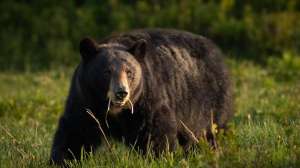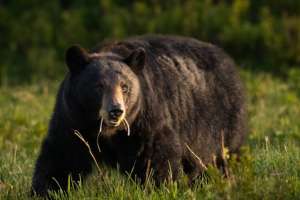

In July, the governors of Montana, Idaho and Wyoming gathered north of Yellowstone National Park with Interior Secretary Doug Burgum and FWS Director Brian Nesvik to support the proposal to allow states more flexibility and autonomy in managing the grizzly bear populations in the Northern Continental Divide and Greater Yellowstone ecosystems. While not finalized, the three states would manage grizzlies under memorandums of understanding (MOU), providing states more flexibility in day-to-day management and responding to conflicts. Grizzlies would remain federally listed under the MOUs.
“Grizzly bear conservation has steadily advanced over the decades in many portions of the species’ range,”said FWS Director Brian Nesvik. “This proposal recognizes these successes and right-sizes management where the greatest conservation success has taken place. This action would support the administration’s priority of easing regulatory burdens through common sense flexibilities in management.”
Once numbering more than 50,000 in a range that extended east through the Great Plains, grizzly bears in the Lower 48 states were listed as threatened in 1975 as their numbers dwindled to a few hundred. Decades of federal, state, tribal and landowner conservation efforts have seen populations grow to more than 2,000, including more than 1,000 in both the Northern Continental Divide and Greater Yellowstone ecosystems. Smaller populations found in areas such as the Cabinet-Yaak and Selkirk ecosystems would remain federally managed under the proposal.
With grizzlies expanding their range beyond core recovery zones, the federal government attempted to delist grizzlies in the Greater Yellowstone Ecosystem in 2007 and 2017, only to have courts overturn those decisions. The new proposal would revise section 4(d) of the ESA, granting wildlife managers in the three states greater authority over grizzlies while the bears remain listed — what Montana Fish, Wildlife & Parks Director Christy Clark called a “dress rehearsal” for the ultimate goals of delisting.
In 2025, RMEF, the Boone & Crockett Club, Property and Environment Research Center, and Wyoming Wildlife Federation sent a letter to FWS urging increased state grizzly bear management authority and policies that incentivize, rather than penalize recovery goals. The letter came after officials in the final days of the Biden administration declined to delist grizzlies, and the letter acknowledges that delisting is expected to be a long and litigious process.
While recommending some refinements to the structure of FWS’s proposed rule, RMEF and its conservation partners applauded the proposal as marking a critical step toward long-term and balanced management of grizzlies. A “tiered” approach during the gradual transition to delisting provides strong incentives to state wildlife managers and makes species population improvement a core aspect of the rule. It also allows states to build public trust in their management prior to delisting.
“Grizzly populations have grown steadily for decades, exceeding ESA recovery goals, yet state wildlife agencies and affected landowners have been handcuffed with very limited management options,” says RMEF President and CEO Kyle Weaver. “We agree with biologists that grizzlies met and exceeded recovery goals years ago and should be delisted. This proposal allows state wildlife agencies and private landowners, particularly where the species has met recovery goals, to effectively manage the impacts of grizzlies as populations continue to swell and expand.”