
Trail cams have been around for a few decades. I started using them in the late 1990s. Back then, my Cuddebacks (photo below) captured images via a 35mm point-and-shoot camera housed inside. Deer hunters had the choice of loading the cam with a roll of film that would shoot 24 or 36 images, and you simply had to guess when the camera roll was spent. Then, you’d pull the film and take it to Walgreens or a 1-hour photo shop that processed film into color prints. It was cumbersome and expensive!
I can remember paying quite a bit of money for 36 print images of cows that walked around my camera for 10 minutes. False triggers (blowing weeds, etc.), while still annoying with today’s high-tech digital trail cams, caused me to curse like a sailor back in the film days. All of that money wasted. Yes, these early film cams occasionally captured deer pics, and some mature bucks, but the overall experience was tremendously frustrating.

Digital photography was a technological tidal shift for trail cams, and the same could be said for cellular trail cams. The primary advantage of cell cams is the ability to obtain images without having to visit the cam in person to switch memory cards. Cell cams allow you to scout without spooking animals; the importance of this fact cannot be overstated. Depending on how you have your cell cams set up to transmit images to your phone through an app, you can gather images as soon as they’re captured, and some cams even allow you to view the woods in real time. Yes, such features push the technology envelope to such a degree that fair chase becomes a hot topic, but that debate is beyond the scope of this article.
Old School But Improved
As I wrote in my article tease, the vast majority of trail cams sold today are cellular models, but that doesn’t mean you should ignore non-cell offerings. I primarily deer hunt in South Dakota and Wisconsin, and while my cell cams receive a decent cell signal throughout my Wisconsin land, there are a few spots on my South Dakota land where cell cams simply won’t work. In general, these are heavily forested river-bottom spots — the lowest elevation in the area.
In any location where I desire to capture deer pics in South Dakota where cell cams won’t work, I won’t hesitate to go old school and place a non-cell cam that requires me to switch memory cards to check pics. That said, on these cams I typically don’t even check them during deer season because I don’t want to make a special trip into the woods simply to switch memory cards. The only time I’ll switch a memory card on one of these cams is if it’s placed very close to a treestand or ground blind; I’ll switch it after my sit if — and only if — I can do so without spooking anything in the area.
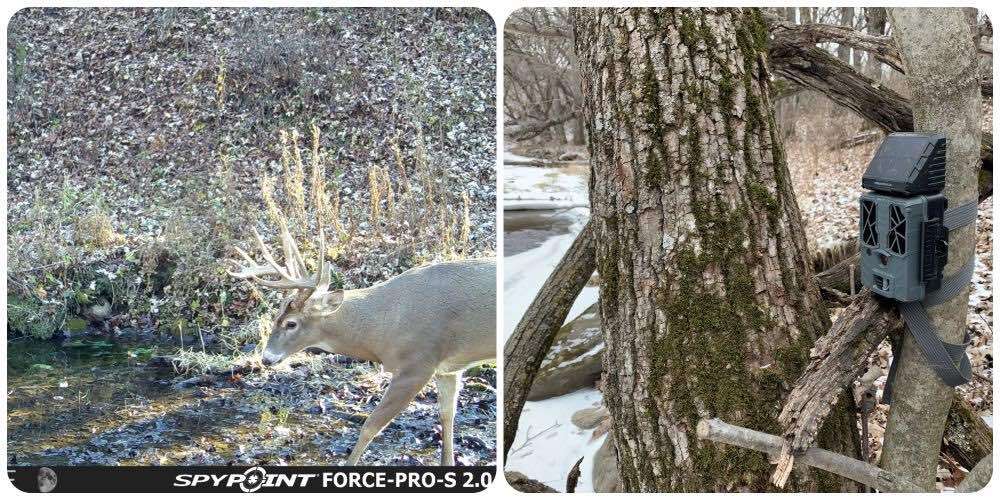
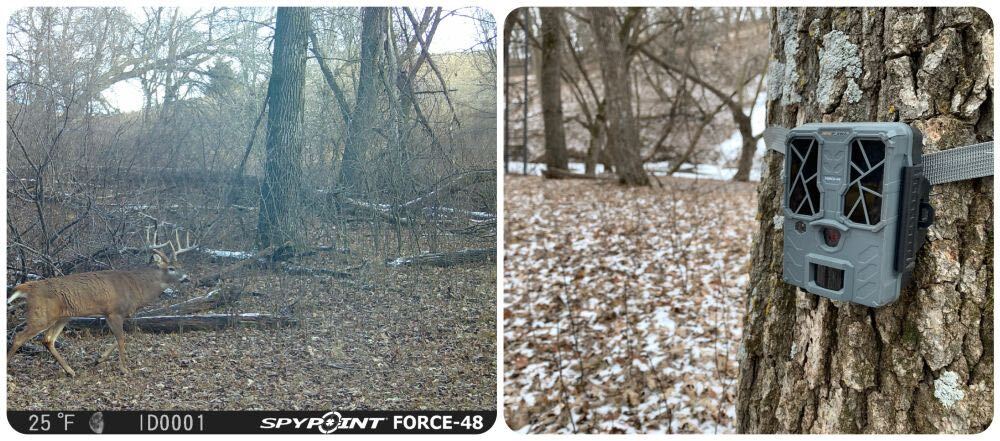
I typically place my non-cell cams in South Dakota in late August and then don’t pull them until January; the archer deer season ends on December 31. Even with the cold temperatures common in November and December, I’ve had good luck with the cams continuing to shoot pics throughout the deer season.
What I’ve just described isn’t really scouting in the sense I’m gaining info to use during the current deer season. My non-cell cams are simply recording what happened at a specific scrape or travel corridor throughout the entire deer season. Sure, I can use the info gathered in future years when it comes to deciding when to hunt the area or how to set up, but I’m basically just using these cams after the fact as pure entertainment.
It’s fun to see which of the big bucks I spotted in person during deer season appeared on my non-cell cameras, as well as those bucks I never saw from a treestand or ground blind. On my South Dakota property, it’s common to capture 1,500 to 2,000 images during the 4 months my non-cell cams hang in the woods. For those of us who bowhunt this SoDak river-bottom, it’s like Christmas morning to sit down at a laptop and begin opening the folders of images. You never know what you might discover as you unwrap the package!