
Most predator hunters — at least by my estimation — consider the centerfire rifle chambered for cartridges such as .223 Rem. or .22-250 Rem. the end-all solution for all their fur-gathering endeavors. These predator-specific rifles and the bullets they send downrange — to their way of thinking — are tailor-made to rug out furred critters while inflecting minimal damage to their semi-valuable pelts. Topped with a variable-power scope, they are capable of reaching out and touching targeted predators at considerable distances when dialed up, and also work reasonably well for close action when dialed to their lowest setting. Those who favor semi-auto AR-platform rifles enjoy large magazine capacity and quick follow-up shots.
And then there are those who take a turkey hunter’s approach to calling in and killing predators — using their hunting and calling skills and terrain features to coax critters sure-kill close for the coup de grace via a swarm of angry buckshot. These hunters enjoy unmatched efficiency at close range — easily out to 60 yards with today’s special-duty shotguns, chokes and shotshells — when the action is fast and furious or multiple predators show up at the scene. By matching shotshell selection to the target species, fur damage is generally minimal — most often inflicting less trauma than centerfire bullets, especially those that connect with bone.
The sad thing is that those firearm aficionados from both camps are missing out on their full potential as fur hunters. By excluding one platform in favor of the other, opportunities are often diminished or even lost. Why compromise when there’s potential to have the best of both worlds — by owning a dedicated fur rifle and a dedicated fur scattergun, and learning the nuances of when to use one over the other based on a host of criteria?
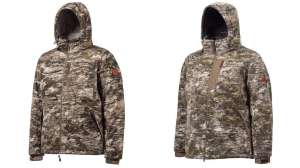
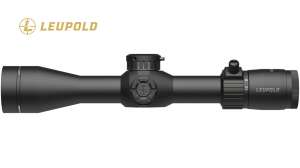
First off, I think we can agree that this is the Golden Age of predator hunting in terms of all of the special-purpose equipment available — a mind-boggling assortment of e-callers and mouth-blown calls, camo patterns for every conceivable calling environment, high-quality binoculars and riflescopes, night-vision optics and special-duty rifles and shotguns and ammunition made specifically for predator hunting.
Predator-specific bolt-action rifles, such as Mossberg’s Patriot Predator, Ruger American Rifle Predator and Savage Arms Impulse Predator, as well as a vast assortment of AR-platform rifles designed specifically with the predator hunter in mind, are testament to a growing interest in rifles dedicated to hunting furbearing critters. The common thread here is that these rifles are short-barreled and highly maneuverable, have a subdued or camo finish, a lightweight synthetic all-weather stock, light/adjustable trigger pull and are chambered for the most popular predator/varmint hunting cartridges. Many hunters take this specialization further by owning several rifles in various calibers for the different predators and the terrain where they hunt. A Western hunter, for example, targeting coyotes might opt for a long-range cartridge with extra muscle, say a .22-250 Rem. or 6.5 Creedmoor, while an Eastern fox hunter might favor milder cartridges and bullets — such as one of the various .17-caliber centerfires, Mighty Mouse rimfires or air rifles — for close work on these thin-skinned critters weighing less than 20 pounds.
During the 1990s, shotgun manufacturers responded to the need for special-purpose turkey guns. These were short-barreled, camo-clad scatterguns with super-tight chokes that took gobbler getting to the next level. Gone in an instant were the days when “Long Tom” waterfowl guns served double duty in the turkey woods. And these guns quickly caught of eye of predator hunters, because they possessed many of the attributes that make an efficient predator-hunting shotgun. With the change of a choke — more open for servicing buckshot and other common fur-centric loads — predator hunters adopted them as dual-purpose shotguns for hunting turkeys during the spring and predators during fall and winter. Once again, shotgun makers took notice and began developing and marketing special-purpose predator shotguns. Weatherby’sSA-549 Turkey and the Beretta 1301 Tactical shotguns are two good examples currently available.
And predator specific ammunition? Oh my! For the rifleman, there are the Hornady Varmint Express, Winchester Ballistic Silvertip Varmint & Predator and Federal Varmint & Predator offerings, just to name three. Scatterguns hunters can consider Winchester VarmintX, Hornady Heavy Magnum Coyote, Hevi-Shot Dead Coyote and many others.
Those hunters who have earned a reputation as a varminteer (at least with their buddies at the local gun club), probably already own a battery of predator-centric rifles and shotguns and have many more on their wish list. Those more casual in the pursuit of fur, as most hunters are, must face the realization that no one rifle, no one shotgun, no single load configuration is going to accommodate all types of hunting in all types of terrain, on all types of critters. But by matching the proper firearm platform — shotgun or rifle — to the task, it’s possible to increase efficiency and success in the field. Let’s start with rifles.
When Predator Rifles Get the Nod
In the Big Sky country of the West, or other expansive, open environments, rifles most often get the nod. Here, hunters are able to gain an elevated position where they can see coyotes or other critters respond to the call from considerable distances. Oftentimes, they will circle downwind several hundred yards out, and a tack-driving centerfire rifle trumps the scattergun for obvious reasons. Chances are good that a called coyote will catch the hunter’s wind or movement before it is in shotgun range. This is also true of locations where predators have been heavily persecuted. They might respond to the call but hang up out of shotgun range.
But rifles are not for Western hunters only — or just coyote hunters for that matter. By matching the rifle and bullet to the critter and its environment, the rifleman can become an equal opportunity fur taker. Even if he has just one fur gun — say it’s chambered in the popular .223 Rem. — matching the bullet to the task can make it effective in many situations. Using the .223 Rem. as an example, commercially loaded bullets are available in weights ranging from 35 to 85 grains and in a wide array of ballistic configurations. By selecting the proper bullet, the hunter can anchor animals as large and dangerous as a mountain lion without being eaten — or as diminutive as a red or gray fox without destroying its fur.
Fur damage is manageable with proper bullet selection and more important, good shot placement. Most bullets designed for predator hunting enter the body cavity and fragment without exiting, releasing all of their energy within the animal and leaving no exit wound — such as hollow-point and poly-tipped bullets. With an accurate shot to the boiler room, the bullet will cause very little fur damage. But watch out if you hit bone! In this case, damage to the pelt can be devastating. I recall a shot I made to the shoulder of a beautiful Western bobcat with a .22-250 Rem. loaded with ballistic tips. The aggressive bullet exploded when it hit bone and literally ripped the fur right off the cat from the shoulder down the back. No amount of sewing was going to make that cat presentable for the fur buyer.
When Scatterguns Get the Nod
So that’s one negative for using rifles loaded with aggressive bullets — excessive fur damage. Another is that it’s more difficult to tag moving critters at close range, and why a scattergun is more efficient when hunting tight terrain where predators might show up unannounced. I also favor shotguns for hunting the graveyard shift, even though when properly accessorized rifles can be uber-effective for night hunting. Predators are bolder under the cover of darkness and will often approach the call without the caution shown during the day. If I’m calling critters in snow-covered terrain by the light of the moon, I’ll take a shotgun over a rifle every time.
In tight terrain where visibility is often less than 50 or so yards rifles are much less effective, and it’s here where shotguns really shine. At close range, when stuffed with appropriate loads and equipped with the proper choke, shotguns provide plenty of knockdown power and give the hunter more margin for error. Shooting at running critters is a lot like wing-shooting pheasants or ducks — acquiring the target, moving the barrel though the target, tugging the trigger and following through, all in one smooth, deliberate motion.
And as already mentioned, scatterguns are a hunter’s best friend for night hunting — especially in ambient light conditions. And this is doubly true when hunting near human populated areas. Obviously, shotgun pellets do not travel nearly as far as centerfire bullets and provide a safety buffer when hunting near suburbia. And let’s face it, not everyone is a crack shot with a rifle, especially when dealing with moving targets and an adrenaline rush. Scatterguns often turned missed opportunities into prime pelts via their more forgiving nature.
Best of Both Worlds
And then there’s the best-of-both-worlds approach — the combination of a rifle and shotgun on stand. When hunting with a partner the solution is easy, one hunter carries a rifle and the other a shotgun. If the called critter hangs up, the rifleman does the dirty deed. If the customer shows up close and unexpected the shotgun hunter can play cleanup. And while it can be a tad cumbersome for the solo hunter to carry one of each to the setup, this double-gun approach can increase success when hunting close to — but out of sight of — the truck.
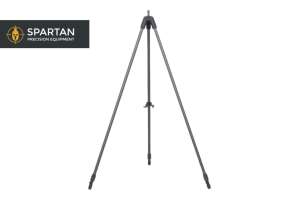
If I’m hunting relatively tight terrain, I look for an open shooting lane downrange where I can pick up circling critters with the rifle. But I’ll sit with that rifle in my lap and the shotgun at the ready for close action. The opposite is true if I’m in open terrain where most shot opportunities will be with the rifle. Here, I keep the rifle on the sticks and the shotgun in my lap. Coyotes, especially, are masters at using the tiniest bit of cover to get close to the call, even in what appears to be open terrain. Quickly switching from rifle to shotgun can often turn a lost opportunity into a win.
While there’s no doubt that some hunters favor rifles over shotguns for predator hunting — and vice versa — it pays to keep an open mind and let the hunt itself dictate the better solution for each situation.