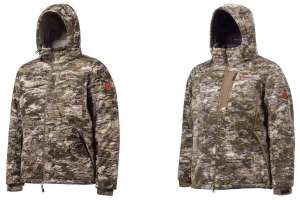

In 2024, I was fortunate to draw an archery elk tag in New Mexico’s famed Valle Vidal. Nestled in the southern tip of the Sangre de Cristo’s, this public land paradise is 101,794 acres of sheer beauty. Ranging from ponderosa forest to subalpine ecosystem, this region’s numerous streams host a healthy population of native cutthroats, and its vast meadows provide optimal calving areas for cow elk in springtime. The same crisp September temperatures that fade chlorophyl from aspen leaves, turning them gold, also kick the elk rut into gear, throwing bulls into a mating frenzy.
This hunt is given once in a lifetime, and it’s not easy. Walk-in-only areas mean lots of boot miles at high elevation. Because of this, I wanted to do everything in my power to make the most of this bowhunt.
Throughout the summer, I walked, hiked and ran hundreds of miles, preparing my legs and lungs for the task of chasing bulls above 9,000 feet. I practiced shooting dozens of arrows each week and made sure I was lacing bull’s-eyes with broadhead-tipped arrows. From bow to backpack to clothing and everything in between, I purchased tip-top gear vital for high-country elk hunting. Extra time was spent staring at OnX, pinning prospective hotspots. Additionally, I made two scouting trips to get firsthand knowledge of these areas. By the last week of August, I felt my efforts and preparation had placed me in a good position to earn a bull on this DIY hunt.
Dream On
On September 1, prior to the glow of first light, bulls were sounding off before my brothers, Ben and Ian, and I finished cinching down pack straps at the truck. Working to get above the bulls, we began chasing them down a ponderosa laden spine ridge. The morning was warm, but as the blaze orange sun crested the horizon, we could hear no less than four bulls sounding off.
We made multiple setups and had an old, growly bull come within 100 yards, but ultimately, we couldn’t convince the bull to commit. The elk numbers were thick, but the rut was nowhere near its peak. Late in the morning, after the calling waned, we slipped in on a herd that had bedded in the shade of a north-facing bowl. There were a handful of cows, calves, spikes and one smallish bull, his antlers still caked in velvet. Being just a few hours into day one, I chose to pass.
The opening morning was a false assurance of how the hunt would go. The next few days held little calling action and few elk sightings. Despite hiking 10-12 miles a day, I had yet to have an opportunity on a mature bull. It wasn’t until after a rainstorm on day five that elk activity started to pick up. The cool weather got the bulls moving, and we saw four different six-point bulls that day. Faulty winds and lack of light cancelled opportunities, but the uptick in action was encouraging.
We saw zero elk on day six and the morning of the seventh, but it wasn’t for lack of getting into elk. We had been continuously intermingled in a symphony of bugles; we just couldn’t get in the right spot at the right time.
After a much needed nap and creekside bath, we headed 2 miles into a basin where we heard multiple bulls calling that morning. The plan was to sit at the edge of the drainage until we heard or spotted a bull, then make a move. We sat beneath the boughs of multiple Douglas fir, sheltering from the drizzling rain. As the spattering ceased, I decided we needed to move farther in as we hadn’t seen or heard anything. The three of us cut several hundred yards up the meadow where we gained a vantage point.
As we crested the grassy knob, Ian spotted an elk. A mile away, a single bull graced another meadow’s center. Through 12X optics, we could see the bull rearing his head back, the resulting scream reaching our ears seconds later. Not wanting any opportunity to be barred by a lack of effort, we immediately headed for the bull. We weren’t sure it was possible to get to the bull’s location before we ran out of light, but this was my dream bowhunt. I was going to give it everything I had.
No Time to Waste
We hustled across the pristine meadow to the treeline, striving to buy extra minutes. Connecting with a pack trail, we dropped a couple hundred feet into a creek drainage. Muddy imprints at the water’s edge affirmed the presence of elk.
Descending into the hole increased our concerns about reaching the bull. Then another announcement of his location renewed our spirits. Despite dissipating light, there was a new sense of optimism that we could get to the bull in time. Our pace quickened as we climbed in elevation. Working our way through an aspen grove, we noted a cow and calf feeding 150 yards away. Not wanting to bump them, we paused to assess the situation. The bull screamed. He was merely a few hundred yards above us.
Thinking the bull was heading down to the cows, we left Ian with our packs and made haste to intercept the bull. Ben and I worked cautiously from one spruce tree to the next, freezing in position each time the cow or calf raised their head. Once we exited the edge of the meadow and entered the timber, the cows were below us. We could move without fear of getting caught. At that point, we had not called a single time. Our goal was to creep in as tight as possible without the bull knowing before making a peep.
As we neared the ridgetop, the bull bugled and so did another. We ran toward the top of the ridge, stopping just below the crest to catch our breath. Another report rang out from the bull. The gap between us was closing. Ben and I scrambled for a place to set up. I started to tuck into a spruce tree when Ben noted I would have more shooting lanes farther up. He was right.

Opportunity Knocks
We dashed 40 yards farther where it was more open for a shot. Standing in front of an aged aspen, I knocked an arrow. Ben knelt behind a stocky spruce tree and let out a handful of salacious cow calls. No more than 30 seconds later, Ben whispered, “I see him! Get ready.” A moment later I caught the movement of the bull’s legs trotting between tree trunks. I whipped my rangefinder from its pouch as the bull ambled into an opening. The display read seven zero.
The bull continued cruising to our right, moving slightly closer. When the bull hit another shooting lane, I laser-ranged him again and prepared for a shot. The stud was as far as I wanted to shoot, but being unsure of the bulls’ next move, I decided it was now or never.
I turned the yardage dial on my bowsight as the bull entered what may have been my last shooting lane. Ben eeked out a cow mew from his diaphragm call and the bull, muddied chest damp from a recent wallow session, stopped broadside and let out a throaty bellow. I was already at full draw and settling my pin before the bull’s vocal cords stopped oscillating. As I was about to release the arrow, I inadvertently let the draw down on my bow. Never in my 19 years of bowhunting have I done that before. The heat of the moment had me coming unglued.
Thinking I had choked on a shot of a lifetime, I was surprised the bull remained standing broadside. Instantly, I yanked my bow back to full draw. Battling an adrenaline dump, I struggled to hold my bow steady as I focused on the center of the ribcage and pressed the release trigger. The bull turned and exploded through the timber. The knock of antler smacking wood and limbs crashing rang out through the forest. Then all was silent. Neither of us saw the arrow connect, but Ben was sure he heard the arrow impact. It happened so fast; I wasn’t sure what to think.
Light was fading fast, so we waited only 10 minutes before going to look for the arrow. We scoured the area beyond where the bull was standing, but couldn’t find my arrow in the limited light. There was no sign of blood either. After a few minutes of deliberation, we both agreed on backing out and returning at sunrise.
We met up with Ian and began the 3-mile trek to the truck via headlamps. We relayed the details about the shot, the bull’s reaction, how I felt, and the lack of sign. There were a lot of questions with few answers. All we could do was return in the morning for further evaluation.
The Search
Surprisingly, I slept well that night. I had a sense of peace about the situation, and no matter what happened, I was going to make the best of it. 4:30 a.m. came quickly and after a cup of coffee, we drove to our spot, slung on our packs and headed for the high country. Frosted sage glistened under the flash of our lights as we exhaled visible clouds of carbon dioxide. The gradual uphill climb circulated our blood enough to keep our extremities from going numb.
Just before sunrise, we arrived at the tree where I shot, with plenty of light to assess for droplets of blood and my arrow. Again, we looked at where the bull was standing and the surrounding area, but could find nothing. No arrow. No blood. No tracks.
As we spread out from the location of the shot, my heart sank. Even though we had just started searching, the fact we had no sign at all had me doubting the outcome of the day.
The three of us spread out 30 to 40 yards apart, covering ground in the direction the bull was seen running through the timber. We covered 100 yards of ground. Still no sign. I continued searching along a small island of aspens when I heard Ben and Ian talking in a low tone of voice. “Kyle, come here.”
As I walked over to see what they had found, Ben came running down the hill to me with his arms pumping into the air. “He’s dead right here!” I couldn’t believe it. Forty yards up the hill, dark, heavy beams laid sideways on the ground.
The emotion of success combined with exhaustion and thanksgiving were overwhelming. We sprinted to the bull, ecstatic. I ran my fingertips over the bull’s smooth antler tips, grateful and appreciative of such a majestic animal and the opportunity to bowhunt him in such a wild, pure expanse. The bull was old, and rut weary. His ivories, smooth and bronze, were worn thin. He was everything I hoped for on this hunt and then some.
My arrow had entered the middle of the chest, clearing through both lungs, not quite exiting the opposite side, which answered the mystery of the missing arrow. The last crack of branches breaking the previous evening marked the final moment of the bull’s life.
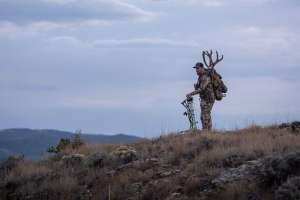
We thanked God — for the bull . . . for the hunt . . . for freedom to be able to chase elk in mountains of grandeur. Then we began the process of deboning. The ordeal became an all-day event with two grueling trips, all three of our packs stuffed to the gills. We laughed. We reminisced. We strained and we cracked a pack frame. By the time our last load hit the tailgate at 11:30 p.m. we were sapped.


I wouldn’t have had it any other way, though. All the planning, training and preparation paid off. Over the course of 8 days, we logged approximately 103 miles. We hunted at elevations up to 10,800 ft, ascending and descending several thousand feet most days. Sleep was deferred for hikes in and out of the dark. We pushed hard, even when the hunting was slow. And we endured a pack out that was deemed by a guide with horses as, “Gangster.” On this bowhunt, success was earned.
Sidebar: High Country Elk Gear
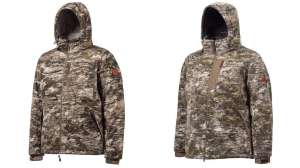
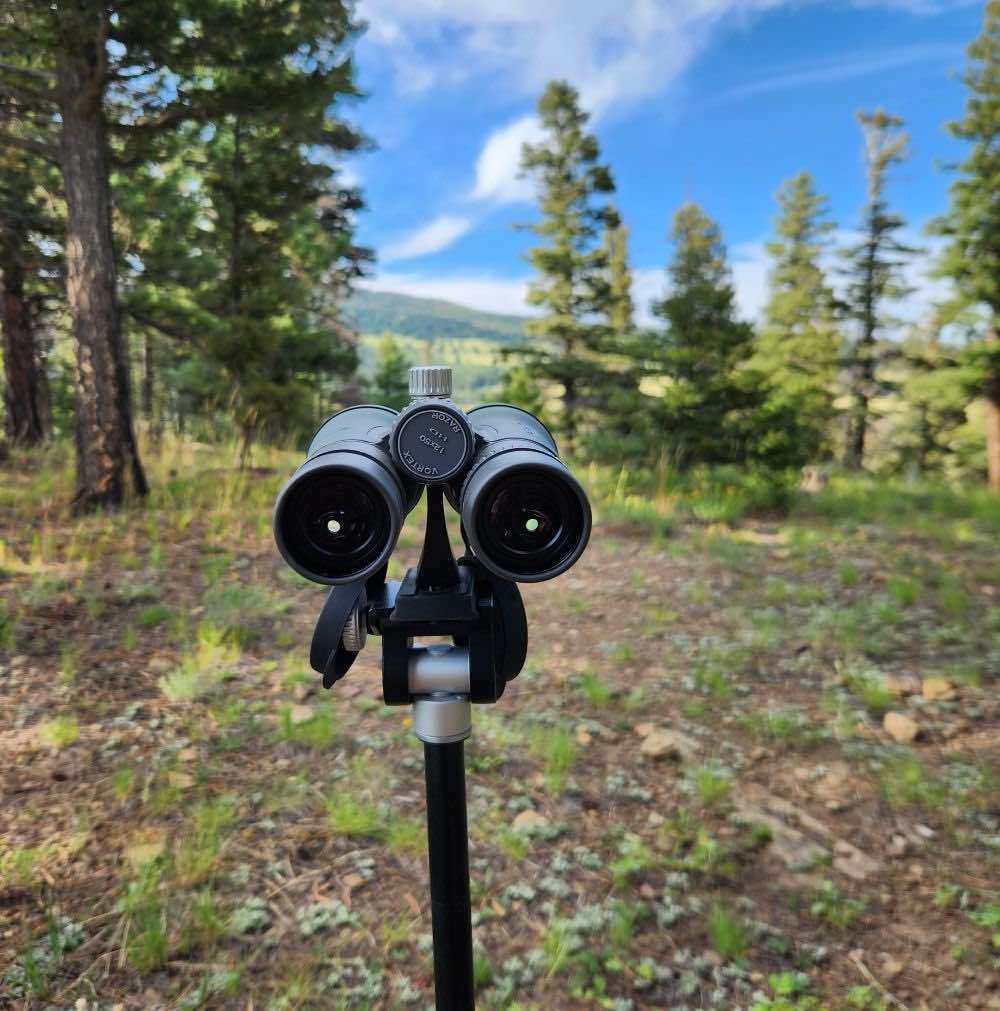
During my New Mexico elk hunt I shot a Mathews Lift 33 with a Spot Hogg Wiseguy release. Accessories included a Hamskea Everest drop-away rest, Spot Hogg Fast Eddie XL sight, Mathews Bridge-Lock stabilizer/sidebar, and a TightSpot 5 arrow quiver. I shot Easton 6.5mm Match Grade arrows with Bohning Blazer vanes and G5 Outdoors Stryker broadheads. My optics included a Vortex Viper 12x50 binocular and Vortex 1800 Ranger rangefinder, both protected by a Marsupial Gear chest pack. I wore KUIU clothing and Altra Lone Peak trail shoes. We used Rocky Mountain Hunting Calls “Elk Slayer RTS” and “Wapiti Wacker” bugle tube, as well as Primos Cowgirl, Hyper Lip single and double, and Sonic Dome diaphragm calls. My Alps OutdoorZ Elite 3800 pack carried both gear and meat. Mapping was provided by OnX.