
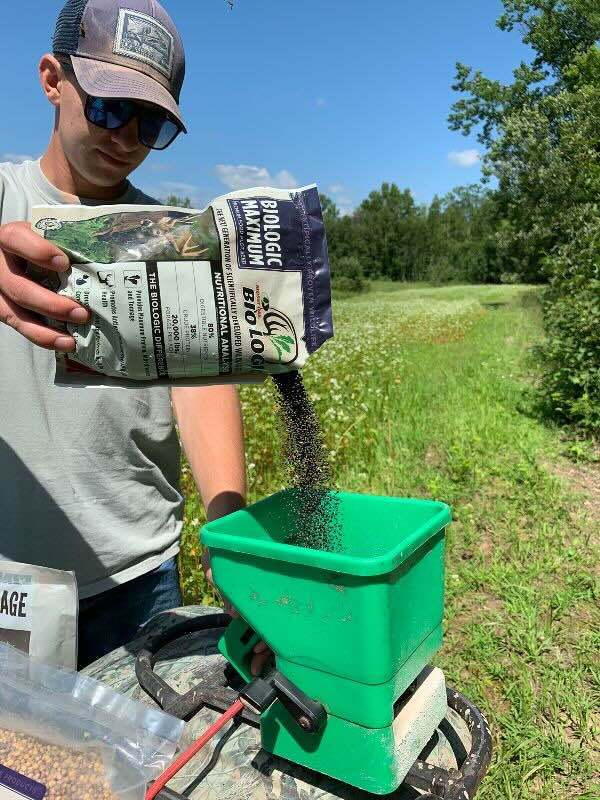
To test Mossy Oak BioLogic seed during fall 2025, our hunting group planted a 1-acre food plot into five different annual seed blends on July 26. We also planted two other plots (.5 acre and .25 acre) on August 8. Specifically, we tested these BioLogic offerings: Maximum, Deer-Radish, Winter Bulbs, Final Forage and New Zealand Endurance Radish.
Let me briefly touch on what’s in each bag:
Maximum is one of BioLogic’s most popular cultivars. I’ve had excellent success planting it in the past and was excited to put it in the ground again in 2025. Maximum is made of 100% New Zealand brassicas, and the plant species in this blend mature at different rates to ensure highly palatable forage for the entire life of the plot. Fun fact: Maximum was originally developed by the New Zealand venison industry to promote rapid weight gain, optimum deer health and massive antler growth.
Deer-Radish is a blend of two different varieties of radishes and a small percentage of New Zealand Brassica. It can be planted by itself or added to BioLogic seed blends to further increase attraction. Whitetails love the green tops of highly nutritious radishes, as well as the long, sweet, nutrient-packed roots.
Winter Bulbs is a proven annual containing rape and turnips (members of the brassica family). Not all brassicas make bulbs, but this blend guarantees plenty of them, which makes it a great choice for late-season food plots. The green tops are highly desirable in mid-fall, then when those are gone, deer will keep visiting the field to dig up and chew on the bulbs.
Final Forage is a unique mix of radish, rape and turnip varieties that have been the backbone of numerous other BioLogic products. The blend features the company’s new Nitro-Coat for enhanced seed germination and high visibility. The seed is bright blue, making it easy to see where you’ve spread it on the ground; this ensures you don’t plant it too light or too thick as you walk with your broadcaster seeder.
New Zealand Endurance Radish is a new generation radish cultivar capable of growing a forage that’s extremely browse tolerant and nutrient dense. It’s also more drought tolerant and cold tolerant when compared to traditional radishes.
Praying for Rain
Thankfully we received rain shortly after our first planting date (July 26), and again after our second planting date (August 8). In fact, we were blessed with timely rains during the first three weeks of August.
But that’s when our luck ran out. It pains me to write this sentence: Our area in western Wisconsin didn’t receive any rain during the last week of August, and none in September and early October. The fact is, food plot plants won’t grow well without rain. Period.
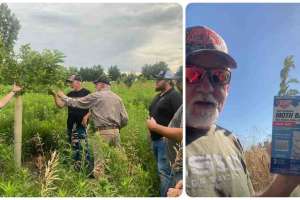
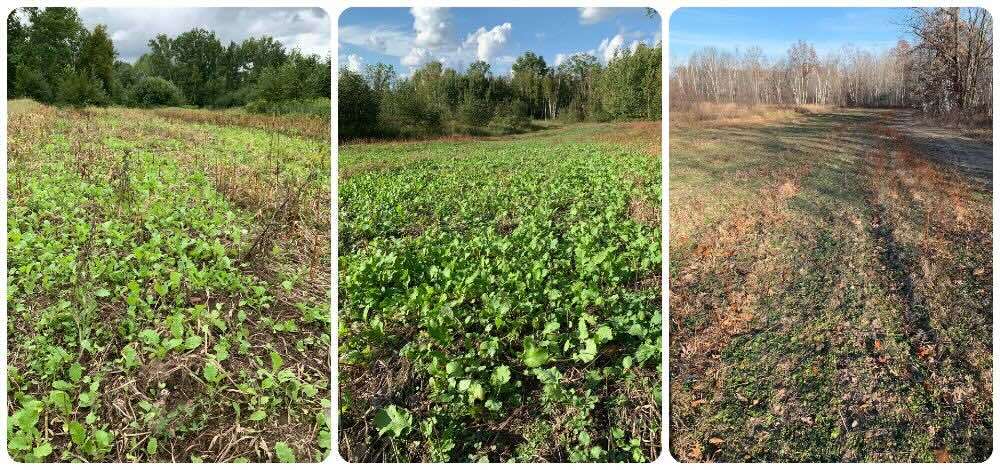
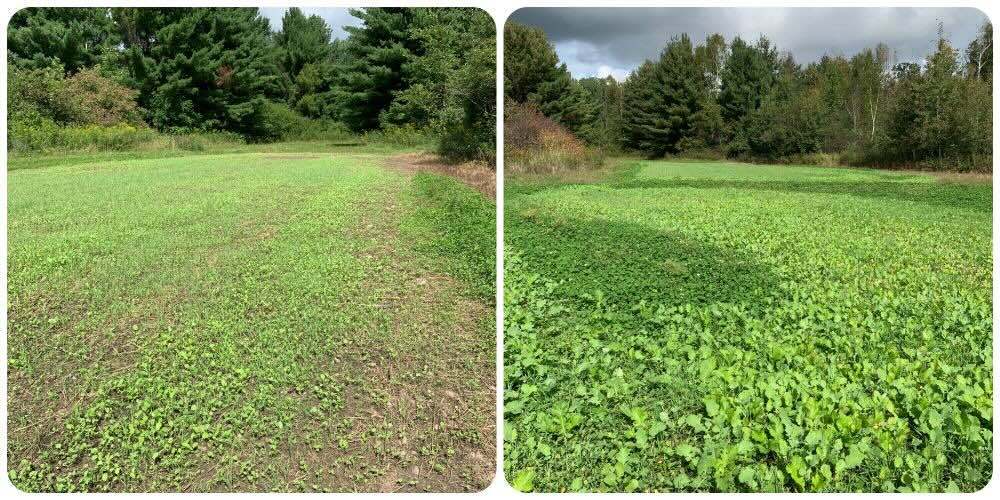
When you check out the photos and accompanying captions included in this article, you’ll see that our plots didn’t produce the desired growth due to no rain for nine straight weeks. Many of the forages in these various annual blends would have grown to at least knee high with timely moisture, but instead they stalled at about 8 inches in most of our fields. Sometimes Mother Nature decides not to cooperate.



Top Takeaways
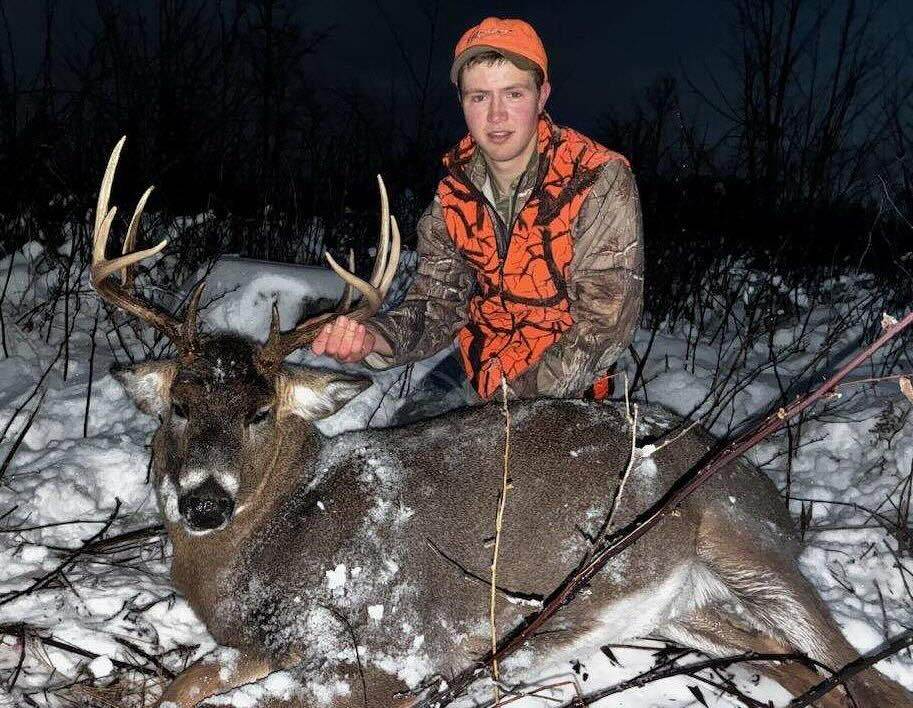
Even though our BioLogic field test was severely impacted by the challenging weather conditions during fall 2025, I know our time and effort was worth it. Our hunting group of six (some in the field far more than others) killed 19 deer during 2025 on our land (about 300 acres). Of course, the vast majority of those deer were antlerless; each year we hope for a mature buck but shoot antlerless deer when the opportunity presents itself. Our families rely heavily on filling our freezers with venison.
Our best result during 2025 was the half-acre portion of a larger plot we call the Little Field (see photos above). This field doesn’t receive the browsing pressure as our other smaller plots that are tucked deep in the woods. We planted this half-acre in BioLogic Winter Bulbs and it grew well until Mother Nature turned off the spigot in late August. By then, the brassicas were 10 inches high and looked gorgeous! I can only dream what the field would’ve looked like if we’d received rain in September and October.
This Winter Bulbs plot became the No. 1 food destination for area whitetails during late November and through December and even into January. Our county allowed bowhunting until the end of January, and each night at least a dozen deer were visiting this field. Our area had deep snow in winter 2025-2026, so the whitetails had heavily used trails carved deep in the snow to reach the field. I bowhunted near the field a few times in January 2026, and it was fun to witness the whitetails attack the brassicas.
Hopefully the late-summer and fall of 2026 will provide better conditions for growing lush and tall food plots. Fingers crossed. I’ll probably plant these same five annual seed varieties from Mossy Oak BioLogic and compare 2026 results to those of 2025. I’ll keep you posted.
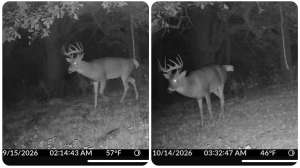
My dream is that the big 5x5 in the photo immediately below decides to hang around in 2026. He spent a lot of time on our property in 2024 and 2025, and if we continue to provide outstanding food and secure bedding cover, he should have no reason to relocate.