
The allure of a western archery hunt is something that appeals to more than a few bowhunters across the country. Big mountains, vast rolling hills, and country as wild as you can imagine invoking thoughts and inspiration of adventure by the bow. This is a seed that was planted in my mind long ago and one that still grows with deep roots beneath it.
Surely hunts that are so great and fulfilling would take years and years to acquire enough points to draw a tag? On the surface, yes. I’m not one for just thinking about doing something rather than doing it. Running in unison with many other bowhunters out there, I want to archery hunt as much as I can and know that I can go hunting, not hope for it.
Because of this, I’ve come up with a few main squeeze hunts to lean on. There’s nothing wrong with setting your sights on those top-tier dream hunts, because you may just get lucky and draw. Until then, though, there’s no reason you can’t go have some fun with your bow in the field and hone your skills at the same time. Here are four western archery hunts that I’ve come to love through repetition year after year.
1: Spring Black Bears
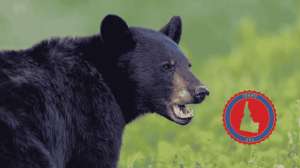
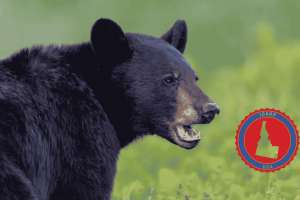
Let’s kick off this party in the springtime. There’s really two main options for hunting in the spring and that’s either black bears or wild turkeys. While there are ample spring turkey hunting opportunities in the West, there’s also a ton of it in the Midwest and East Coast. So, in the spirit of keeping things western, we’re going to focus our attention on spring black bears.
Setting foot into the rugged mountains of the western United States in pursuit of a black bear is not only a great opportunity to harvest a bear of your own, but it’s also a phenomenal time to test gear and shake the dust off from the off-season. And with that, these hunts are always packed with adventure, due to the awe-inspiring landscapes that black bears call home. Your body and mind will be tested, but I promise you it’s worth the price of admission.
Your best bet for getting into the field sooner than later are the over-the-counter tags for spring black bears. There are, of course, spring tags that one can apply for across the West, but these can be more of a waiting game, depending on the state and particular area of state. Over-the-counter tags are just easier to plan in advance for, and your best bet for those is going to be Montana, Idaho, Wyoming and Arizona.

Be sure to check regulations for each state because they can differ in terms of timeframe and what units are open for spring black bear hunting. For instance, Idaho allows a non-resident to acquire two bear tags. They offer $40 Reduced Tags (specific to certain units) and a $231 statewide tag. Their seasons don’t have sow quota limits, unlike Arizona, which does. A bear unit there will close down to hunting when a certain number of sows is killed. Also, baiting is allowed in Idaho while it’s not allowed in Montana or Arizona. Know the rules.
For the most accessible style of black bear hunting, it’s hands down a spot-and-stalk hunt. You’re going to want a good binocular as well as a bit of patience. Black bears can be observed from afar through high-powered optics. During spring, bears will primarily be feeding on fresh green grass, and will do it on and off throughout the entire day with an emphasis on the evening. This focus on food provides a choice opportunity to spot and stalk into bow range. Should the bear venture into cover after feeding, they’ll likely come back out to feed later. This is a great time to set up and wait for them to emerge for a possible shot.
2: Early Season Mule Deer
After spring has sprung and we’re looking at the tail end of summer, it’s time to start thinking about the early fall. While many minds tend to drift toward bugling bulls and elk rut fests, there is another direction with much more accessible opportunities. Early season mule is an archery hunt well worth your time and effort.
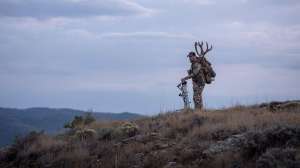
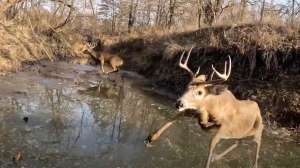
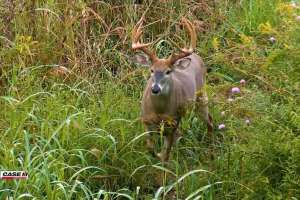
Bowhunting mule deer during the early fall represents a phenomenal entry point into the fall hunting seasons. What better way to kick off the season than above timberline among green slopes, wildflowers and towering jagged mountains in search of big velvet mule deer bucks? This hunt is a backcountry bowhunter’s dream. If the alpine isn’t for you, though, don’t worry. There are also opportunities to hunt bucks in the sagebrush, as well as the desert.
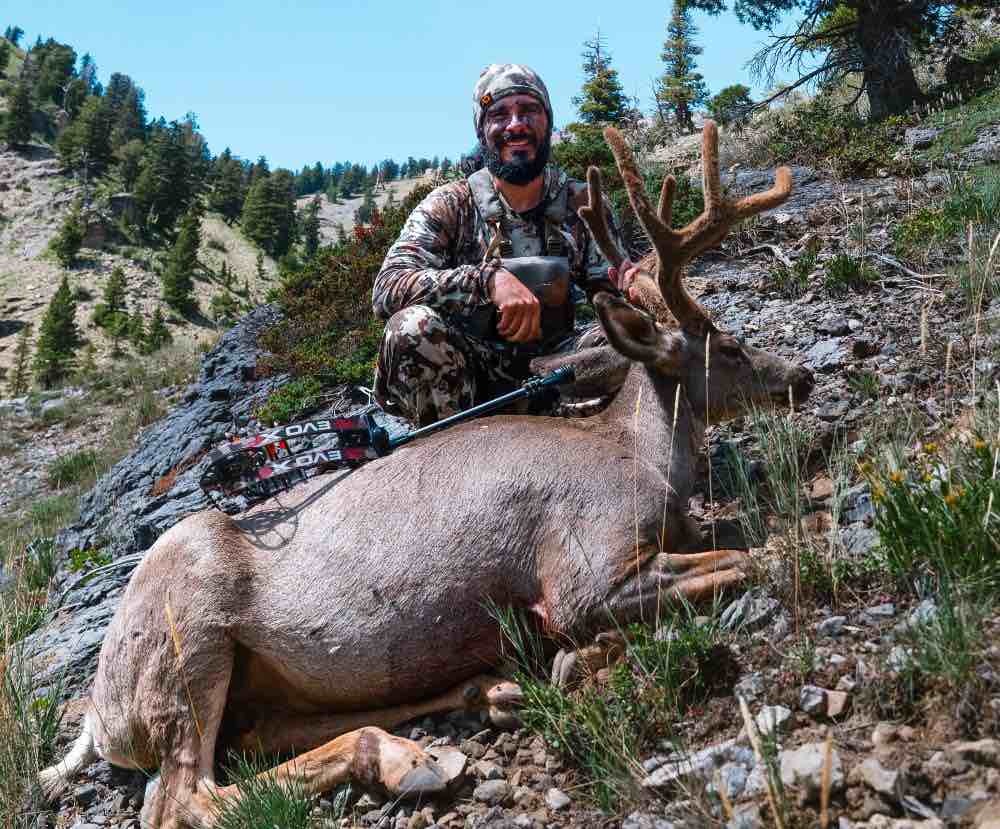
As far as where to go in search of velvet bucks in the West, the OTC side of things is quite limited, but not quite unheard of just yet. States such as Arizona and Idaho have OTC opportunities with caps, so you need to be early to the game in order to take advantage of those. The more plentiful opportunities are going to come in the form of 0-1 point units that are easy to draw in places like Colorado, Utah and Montana. These hunts are hard, yes, but this is bowhunting you’re signing up for. It’s all hard.
During this early season, bucks are still in their summer routines — meaning they are very predictable and bed for long periods of time, usually during roughly the same times each day. For a bowhunter, this offers a prime spot-and-stalk opportunity. Hunters can glass bachelor groups of bucks from afar, bed them down, and sneak their way into bow range from there. It’s much easier said than done, but it doesn’t get any better for a spot-and-stalk archery hunt.
3: Late-Season Elk
The brunt of attention when it comes to archery elk hunting is without a doubt focused around the early season. It isn’t even a debate. The hard part is trying to get an early season tag year after year. With most of the attention on early season elk hunting, the late-archery elk seasons tend to fly under the radar. For the bowhunter looking to get more field time, and ready for a challenge, these late-archery elk hunts deserve some attention.
Once the late season hits, we’ll say in November, bulls will start to break away from their cows and seek peace. They are depleted from the rut and in need of recovery. In the spirit of not wanting to be bothered, they’ll move into more rugged terrain and live in a smaller area than in the earlier season. Sometimes they are alone, and sometimes there can be multiple bulls with one another. Most of their day is spent bedded with a movement to feed/water in the morning and evening.
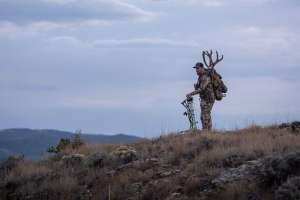
The most productive way to see bulls during the late season is through high-powered optics from a vantage point. Bulls can be observed going about their tight routines from afar, and when you find one, you can almost throw a blanket over them. They just don’t move around that much and are very predictable, as long as something doesn’t push them out of an area. This gives a hunter the advantage of either patterning them with the intent of setting up an ambush, or bedding them down for a stalk.

While there aren’t a plethora of OTC tags available for these late-archery elk hunts, they are going to take you a heck of a lot fewer points to draw than the early tags will. Look into Utah and Arizona for some great late-archery elk hunts. They may not be filled with the haunting sounds of bugles that September offers up, but if you want to hunt elk with a bow, in some prime areas, these will put you more in the fast lane rather than stuck in gridlock traffic.
4: Winter Coues Deer
Once the core fall hunting season passes, most folks hang up their bows and settle in for a cozy winter by a fireplace. Of course, for many people, there is usually no shortage of shoveling snow, too. That is unless you head to the Southwest. Come December/January, things are just getting good with a tiny little ungulate called a Coues deer.
Down in the southwestern deserts of Arizona, New Mexico and Mexico, the Coues deer rut spans from the last few days of December through the whole month of January. These deer may be small, but they sure put on a show during the rut. Not to mention, they are some of the finest tablefare that exists in the wild game world. Putting an arrow into one is no easy task, as they are a very on-edge type of animal. With persistence, though, it can be done.
Coues deer are masters of melting into their environment and can prove very challenging to see. The best way to locate them is through meticulous glassing via optics mounted on a tripod. They can be found from the low desert flats all the way up into ponderosa pine forests. Whatever habitat you choose to hunt, be prepared for long hours of grid searching with your optics. And when you do find them, don’t take your eyes off of them. They aren’t nicknamed the “grey ghost” for nothing.
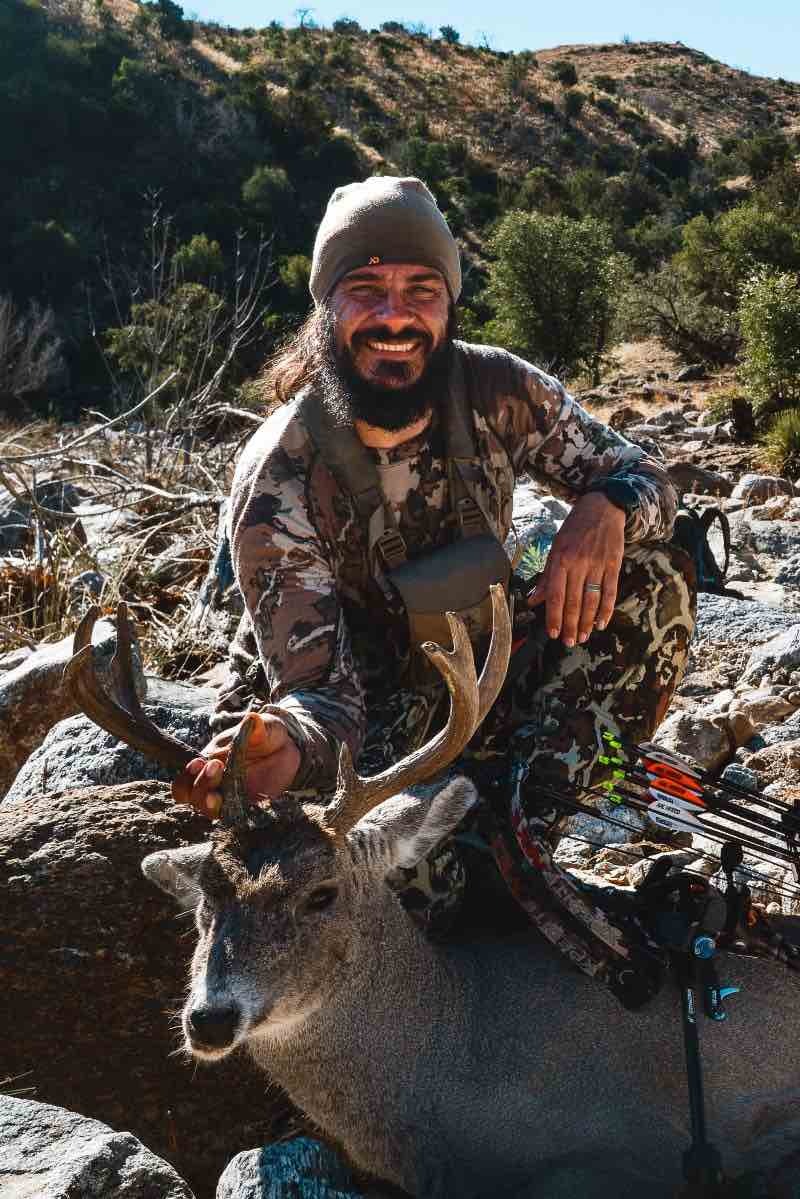
Getting close enough to a Coues deer for a bow shot is much easier said than done. Coues deer live a very switched-on type of life. You would too if everything wanted to eat you. Because of that, you need to be on your A-game with stalking. Wind, route, noise and movement. It all needs to be dialed for these little deer. If you possess the patience, you could also sit water for them, or even on a well-used game trail. They have a small home range and can be patterned, especially in the early fall.
Getting archery tags for Coues deer usually isn’t too big of a hill to climb. Tags can be acquired in Arizona, New Mexico and Mexico. All provide an early season or late season (rut) option. Arizona is probably your best bet with its OTC archery tags, but there is a cap on these for non-residents, so be early to buy your tag. New Mexico offers some fairly easy-to-draw archery Coues deer tags, and Mexico is technically an OTC situation, but there are a lot of logistics involved in order to hunt there. Going with a reputable outfitter is your best bet.
Game On!
These are just a few of my favorite go-to options for being in the field consistently with a bow. Of course, there are other hunts as well that don’t require a ton of points such as pronghorns, whitetails, turkeys, javelina, etc. It just depends on your preferred flavor. With that said, I wanted to write this piece because far too often I’ve heard hunters complain about not being able to get drawn, and that they wish they could just go hunting, especially in the West.
Well, what I’ve laid out here is proof that if you want to go bowhunting, you can. Do the research, pick up your bow, and get after it. The only thing holding you back is you. Game on!
Sidebar: Glassing 101
If you’re planning a western archery hunt, there is a fair chance you’ll get very acquainted with a binocular. Being how vast and open much of the West is, using optics to survey large chunks of land is simply the most effective way to locate big game animals without them knowing your whereabouts.
In order to get the most bang for your buck during your glassing sessions, consider mounting your binocular on a tripod with a fluid pan head. Not only will you be able to spot movement much easier, but you’ll also be able to instantly lock your optics in place once you do find an animal. And when it comes to the finding part, there is no better way than grid-searching with your binocular. Break the landscape up into sections and slowly grid-search each one looking for any sign of life.
This doesn’t always mean an animal standing out in the open. Look for oddities, things like different textures that might resemble fur, slightly off colors, and horizontal lines that would represent the spine of a standing animal. The most important tool of all, though, when glassing is patience. Without it, you’ll only go so far.

Sidebar: Gear Talk
Gear is a giant discussion no matter if you’re hunting the West or not. In the spirit of this article, though, I want to chat about gear to help not only save you some money, but also make your western archery hunt more enjoyable.
When planning your hunt, don’t feel that you have to buy the absolute best of everything out there. You can spend $10k in a hurry, especially if you’re talking about backpack hunting.
Areas to focus on that will greatly impact your hunt are boots, backpack and optics. Your boots are your mobile tires, your backpack is what’s going to carry everything you need (including your harvest), and your optics are likely what’s going to find that animal to begin with. Skimping on any of these can result in a painful experience, whether it’s blisters from the boots, a big Advil bill from insufficient optics, or a sore back, hips and shoulders from a less-than-great backpack.
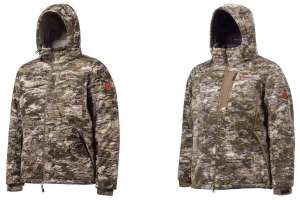
Most importantly, spend your money on tags. You can get by with a budget layering system, broadheads that won’t break the bank, a 7-pound backpacking tent, and arrows that aren’t .001 straightness.
Photos by Josh Kirchner