
1: Hunt packages and daily fees. Most safaris offer hunt packages that include a variety of animals and services. Daily rates generally cover your accommodations, meals, and the services of a professional hunter (PH) and tracker. Depending on the outfitter and the range of animals included, daily fees can range from $200 to $500, while custom packages targeting specific species will likely have higher costs.
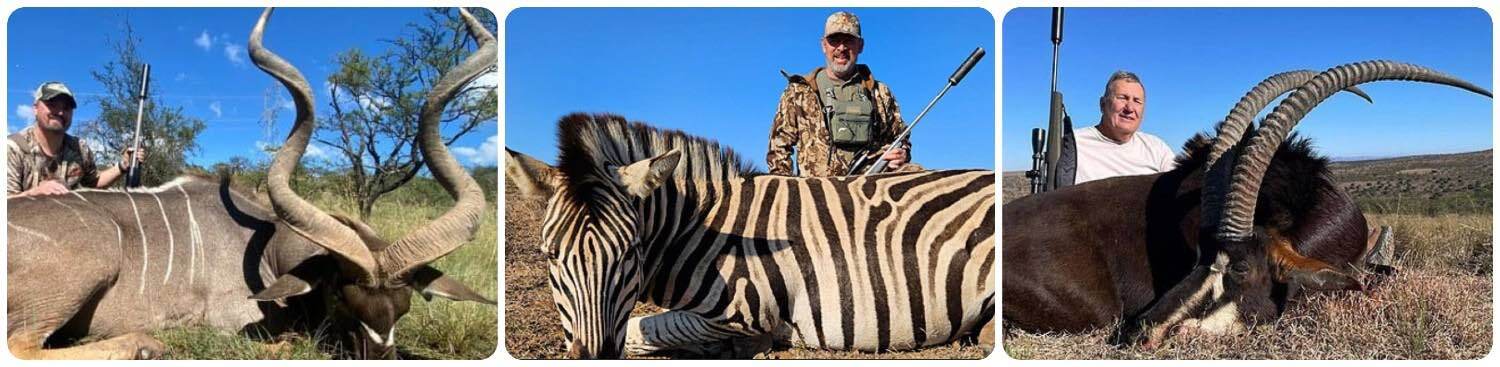
2: Trophy fees: What to know before booking. Trophy fees are charged per animal and vary widely depending on the species. For example, common species like impala may have trophy fees of around $250, while rarer animals like kudu or sable antelope may range from $1,500 to over $5,000. Clarify trophy fees with your outfitter before booking and confirm that your preferred species are available.
3: Travel, accommodations and tips. Beyond hunt packages, consider travel costs, including international flights, baggage fees, and any required transfers. Accommodations and meals are typically included in daily fees, but be sure to ask if there are any extra charges for extended stays. Tipping is customary in the safari industry; generally, clients tip PHs, trackers, and camp staff, with recommendations around 10% of the daily rate for PHs, while trackers and other support staff may be tipped based on the level of service provided.
“Planning for the full experience means accounting for those little details — tips for your guides and staff, travel arrangements, and a few comforts to make it all seamless,” said Nick Bowker, a longtime outfitter in South Africa (see sidebar at bottom of page). “It’s these thoughtful touches that make a safari exceptional.”
4: Choosing the right outfitter for your first trip. Selecting a reputable outfitter is key to having a successful and enjoyable safari. A high-quality outfitter will ensure your safety, adhere to ethical hunting practices, and have knowledgeable staff to guide you.
“Choosing an outfitter who prioritizes safety and ethical practices is essential,” said Bowker. “Working with local trackers who understand the terrain and respecting the land and wildlife create a truly memorable experience.”
5: What to look for in a hunting outfitter. Reputable outfitters have years of experience, glowing reviews from past clients, and are typically registered with local hunting associations. They will have knowledgeable PHs who know the area, understand local species, and are familiar with safe and ethical hunting practices. Look for outfitters with a transparent website that clearly lists fees, offers wildlife conservation information, and highlights their commitment to sustainable hunting.
6: Questions to ask before booking. Be prepared with a list of questions to ensure the outfitter fits your needs. Ask about hunting areas, available game, required fitness levels, and what’s included in daily rates. Check the outfitter’s safety measures, medical facilities, and any recommended gear. It’s also wise to ask about other client reviews and if your PH has experience guiding first-time safari hunters.
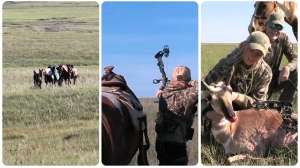
7: Bowhunting considerations. If you plan to bowhunt, look for outfitters specializing in this type of safari. Bowhunting demands closer encounters and specific skills, so ensure your outfitter offers suitable blinds, expert bowhunting PHs, and a selection of game species appropriate for archery.
8: Preparing for your safari — gear and documentation. Proper preparation will make your safari safer and more comfortable, so plan early to ensure you have everything you need, including gear and legal documents.
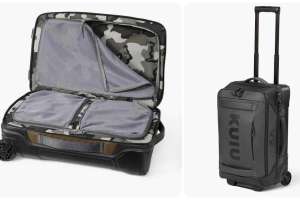
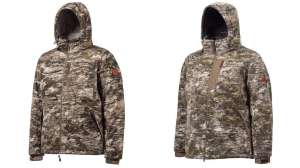
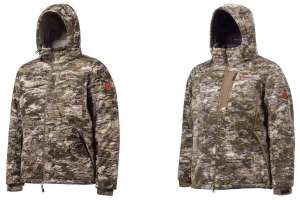
9: Essential hunting gear and equipment to pack. Pack light, durable clothing suited to the terrain and weather, ideally in neutral or camouflage colors. Lightweight, moisture-wicking materials are best for warm daytime temperatures, while layers or jackets are essential for cooler nights. Essentials include a hat, sunscreen, gloves, and sturdy boots. Good-quality binoculars, a reliable rifle or bow, and a durable day pack are also crucial.
10: Required licenses and permits for South African hunting. South Africa requires hunting licenses and import permits for firearms, so ensure all paperwork is completed well in advance. Most outfitters assist with licensing, but you will need to apply for a Temporary Import Permit for any firearms and ammunition you bring. Contact your outfitter for specific permit requirements, and be sure to keep all documents organized and easily accessible.
11: Vaccinations and health preparations. Some vaccinations are recommended for travel in South Africa, especially if you plan to visit rural areas. Check with your doctor about vaccinations for typhoid, hepatitis A, and rabies. If you’re hunting in malaria-prone areas, then discuss antimalarial medication options, and bring insect repellent to protect against mosquito bites.
12: Hunting ethics and conservation considerations. Ethical hunting plays an important role in wildlife conservation, and South African safari hunting largely supports these efforts. Ethical hunting involves respecting animal habitats, following fair-chase practices, and only harvesting what you can use. Many safari operators contribute to local conservation projects, ensuring hunting fees directly support species preservation and sustainable management.
“Conservation and ethical hunting go hand in hand,” said Bowker. “Every hunt should contribute to sustaining the land and wildlife, not just for us, but for future generations to appreciate.”
13: Understanding the terrain and weather conditions. South African hunting terrains vary greatly between open savannahs and dense bushveld, and weather can shift dramatically. Early morning hunts may be chilly, while midday sun can be intense. Take time to familiarize yourself with the area you’ll be hunting and look at the past few years average for weather and temperature to help choose the right gear.
14: Shooting practice and safari-specific techniques. A South African safari often requires longer shots than typical North American hunts. Practice shooting at varying ranges and from different positions before your trip to increase your accuracy. Work on estimating distances and adjusting for wind or terrain, as many safari hunts may involve moving targets and unique challenges.
For a South African hunting safari, hunters should be comfortable taking shots in the 200- to 300-yard range, as distances are often greater than what you’d find in the USA. For certain plains game, being prepared for shots up to 400 yards can be a real advantage, especially in open savannah terrain. Practicing at these ranges from stable shooting positions will improve both accuracy and confidence, and while 500-yard shots are less common, being capable at that distance can be beneficial based on your skill and equipment.
15: Should a hunter pack shooting sticks? Most South African safaris involve taking standing shots from tripods or shooting sticks, which are typically provided by your PH. Bringing your own isn’t usually necessary unless you have a specific setup you’re comfortable with. Given the terrain and brush conditions, prone shooting or using gun-mounted bipods is often impractical.

16: Can a hunter rent a top-notch rifle? In most cases, the answer is “yes.” For example, at Nick Bowker's outfitting service, hunters can rent high-quality rifles, saving them the hassle of bringing their own firearm and managing import permits. The rental fee is around $50 per day, and it includes ammunition, making it a convenient choice for those traveling.
17: What to expect on the ground in South Africa. Once you arrive in South Africa, understanding local customs and what awaits in camp will help you settle in and enjoy the experience.
“Stepping off the plane in South Africa, you’re entering a world where each moment is part of the adventure,” said Bowker. “From the warm welcomes to the landscape, every detail invites you to embrace the experience fully.”
18: Arrival procedures and local customs. Upon arrival, expect customs checks and firearm inspections, especially if you bring a rifle. Many hunters find it beneficial to arrange a meet-and-greet service at the airport to help navigate customs and firearm procedures smoothly. Be prepared for South Africa’s warm hospitality, and familiarize yourself with local greetings and polite gestures, as these go a long way toward building rapport with locals.
19: The role of professional hunters and trackers. Your PH will be your guide, mentor and primary source of information during the safari, while trackers use their expertise to locate animals. This team approach is standard practice on African safaris and greatly enhances the experience. Experienced PHs are trained in handling tough situations, ensuring both your safety and adherence to ethical hunting standards.
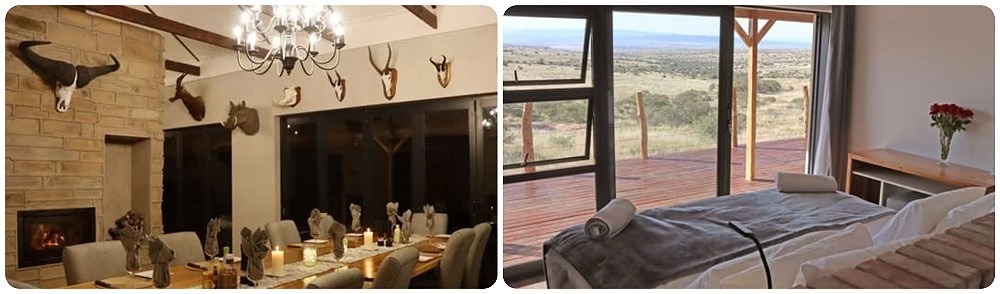
20: Accommodations and camp life. Accommodations on safari can range from rustic tented camps to luxury lodges. Regardless of the setting, expect comfortable amenities, hearty meals, and time in the evenings to relax around a campfire. Camps are typically remote, so come prepared for limited internet or cell service and take the opportunity to immerse yourself fully in the experience.
21: Understand the “draw blood policy.” At Nick Bowker’s outfitting business, hunters are expected to pay the trophy fee or count an animal as taken in their package if blood is drawn — known as the “draw blood policy.” While policies can vary among South African outfitters, this policy ensures clarity and fairness.
22: What about taxidermy? As a rule, an outfitter will be involved in the taxidermy process, working with local taxidermists and managing all the logistics for trophy preparation, shipping, and exporting.
23: Shipping animals back to the USA. Perhaps you have a taxidermist back in America who you trust handling your mounts. What can you expect to pay to ship a single animal back to the USA?
According to Bowker, “Shipping a single trophy, such as a kudu, to the USA generally costs between $1,500 and $3,000. This range usually covers taxidermy preparation, crating, and necessary paperwork, though final costs can vary depending on the shipping service and destination.”

Final Thoughts
Planning your first South African hunting safari takes time and research, but the reward is an unforgettable adventure that connects you with nature and local conservation efforts. By preparing with the right outfitter, understanding costs, and equipping yourself with the proper gear, you’ll be ready to enjoy the hunt of a lifetime on South African soil.

Sidebar: Nick Bowker Hunting
Nick Bowker, a passionate outdoorsman, and conservationist, obtained his professional hunting and guiding license in 1996, has been guiding and outfitting ever since, and specializes in free-range plains game hunting. Nick Bowker Hunting operates in the Eastern Cape of South Africa from Hopewell Lodge on the Olive Fountain Ranch in Bedford, South Africa. Nick Bowker Hunting is a family business that was established in 2023. However, the Bowker family blood line has lived and hunted in these areas for five generations.