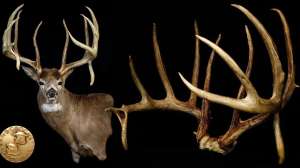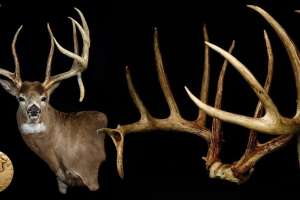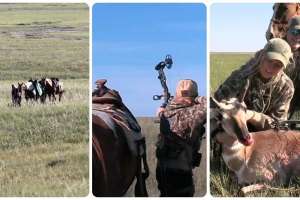

A whitetail doe suddenly appeared 125 yards away. Her demeanor wasn't squirrelly, but I stood anyway, grabbed my bow from its hanger, and got ready; it was November 10. Immediately, she began walking my way, and then a tremendous buck came into view behind her. Soon, the doe passed by 35 yards away, but the buck took a different trail, which put him a little farther away.
After ranging him, I drew my bow, mouth-grunted to stop him, and took my shot. Upon arrow impact, he plowed into a thorny thicket, and then all was still other than my quivering body and surging heart rate. It all came together because of the Lord’s provision, although my attention to detail with my treestand setup didn’t hurt, either.
Treestands offer bowhunters obvious advantages, but for those advantages to have their full effect, you can’t forsake several key details. Let’s run through several of them now.
Access and Wind
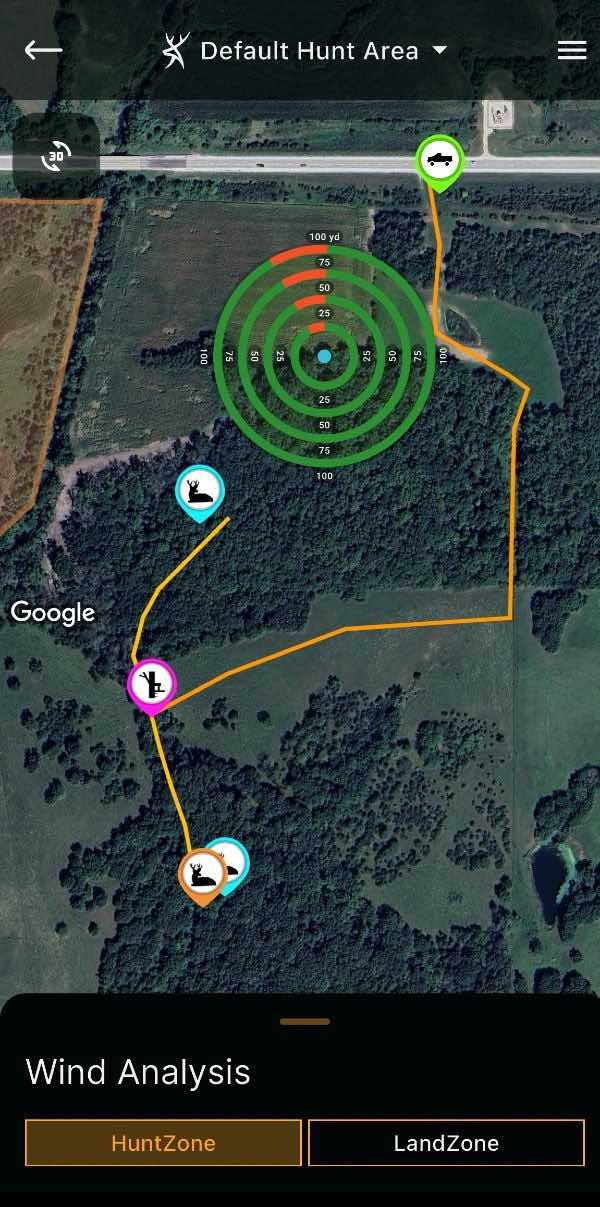
Even the greatest treestand location is only as effective as your access to it. First, be mindful of how your scent will disperse to places that hold deer while you’re accessing or leaving your stand. Second, avoid walking through areas that will hold deer. Bumping deer could jeopardize your current hunt or future ones.
Sometimes, the shortest route to a stand doesn’t check these boxes, so you’ll have to sit down and peg a route that does. HuntStand Pro Whitetail is my mapping app of choice, and it substantially simplifies this process. I alternate between the different base maps and overlays to peg food sources, potential bedding areas, roads, parking areas, trails and topography, all of which can inform my access. I highly suggest it.
Most whitetail hunters understand that when deer get downwind, they usually spook. When you’re selecting a stand location, don’t just look for trees where the wind is blowing completely away from the deer. Although that is ideal, I’ve noticed that bucks are commonly susceptible to stand setups where the wind is just barely right for the hunter. Sure, it's risky, but I’ve killed bucks when the wind was nearly wrong, and I know plenty of other hunters who have, too.
Is Higher Better?
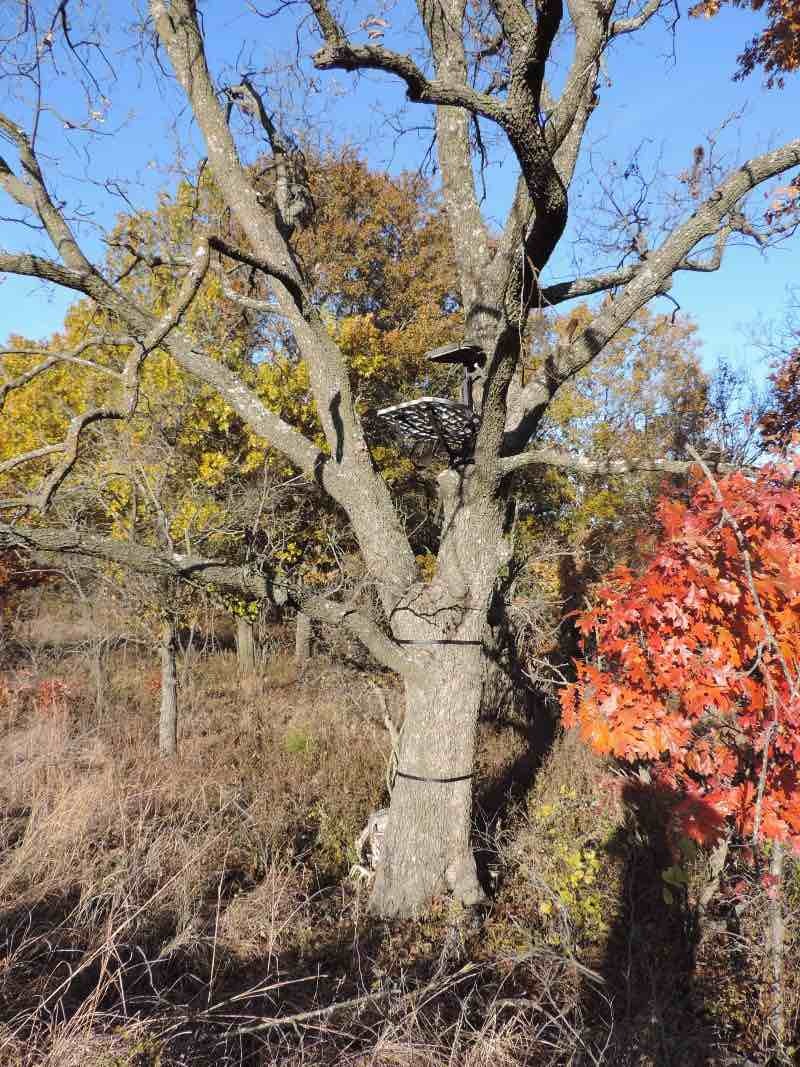
The higher you climb, the farther you are above a buck’s peripheral vision and his nose. Those are advantages. But, higher treestand setups aren’t always more advantageous than short or medium-height setups. Consider these points.
The higher you are, the steeper your shot angle will be, especially at close ranges. Shooting down through the deer’s back gives you less margin for error and a smaller target than when you’re shooting at the side of the ribcage. Depending on the tree, getting up really high could also skyline you, especially once the leaves have fallen and foliage is sparse.
I’ve found that the best cover in many instances is about 20 feet high, but sometimes much lower. In the case of my opening anecdote, I was only 10 feet high, and the buck I shot was actually higher in elevation than me as he walked a sidehill. Had I positioned my treestand higher, I would have been sky-lined, but as it was, I had lots of background cover. In forests where all trees are tall and have little to no cover from the ground to treestand height — think red pine plantations or park-like hardwoods — getting up 25-30 feet is likely the better call.
The bottom line is every individual setting is different. Don’t misconceive that 20, 25 or 30 feet high is the standard you have to meet. Consider the front cover, backdrop, and the trunk thickness of the tree you’re setting up in. The goal is to obtain a stand height that breaks up your outline.
On a related note, don’t be afraid to set up in unconventional trees. On the prairies, finding a straight tree or any tree at all can be challenging, so take what you can find. One of the largest bucks I’ve ever encountered while bowhunting walked right within bow range when I was 4 feet high in a cedar. I was encompassed by background cover, so it wasn’t a problem. If his doe had not wandered downwind and busted me, I’d have shot him at 30 yards. Again, be creative and take what you’re given.
Platform Orientation and Shot Distance
Bowhunting is tough, and making it tougher is senseless. Make it your goal to craft treestand setups that require minimal shifting when it’s time to shoot. Right-handed archers should position the platform about 90 degrees to the right of the anticipated deer movement. If you’re a left-handed archer, orient the platform about 90 degrees to the left of the perceived shooting lane. Having to shift because of poor platform orientation entails more movements that could spook the deer, plus the shot will likely stretch your shooting form to where you’re somewhat uncomfortable. Then, you’re more likely to make a poor hit.
Now, let’s talk about shot distances. With today’s surgically accurate archery equipment, it’s easy to say, “Ah, I can shoot 40 yards no problem,” and then position a stand 40 yards from where most of the deer will likely walk by. I’ve shot deer beyond 40 yards, but I’ve also had them completely duck my arrow at that range. I urge you to make every effort to orchestrate closer shot opportunities.
There is such a thing as too close and too far. Too close means deer are more likely to catch your ground scent or your falling thermals early in the morning or late in the evening. Too far means you’ll needlessly lengthen your shot distance. I believe the optimal shot distance from a treestand with bowhunting tackle is about 20 yards. It’s a shot that’s easy for most proficient bowhunters, and the deer will have less time to react. It also offers the best view of the vitals.
Safety Concerns
This talk wouldn’t be complete without some safety tips. Every year, deer hunters have treestand accidents. Many of them are very avoidable. The first thing is to annually inspect treestand straps, cables and hardware. Replace failing or old components. Or, get a new treestand and junk the old one. Also, check for loose parts on both old and new stands.
Next, never climb without a harness and climbing strap, and once you reach the height with your climbing gear where you’ll hang your stand, attach a Hawk Hunting Safety-Line or equivalent so you can be attached every single time you climb that tree from the moment your feet leave the ground until the moment they return. It’s been said countless times that most treestand falls occur during the climb or descent, which means you should always be buckled in.
As I stated earlier, treestands are incredibly advantageous for bowhunters. But those advantages are only as good as your attention to the details we’ve discussed here in this column and possibly a few others we did not. Address these details to tighten up your treestand game this deer season.

Sidebar: My Experience With Ozonics
Scent is one of the biggest factors in hunting success or failure. When the thermals are falling or when the wind makes an unexpected shift, your scent can travel where you don’t want it to.
I tried an Ozonics ozone generator for the first time back in 2016 when a friend loaned me his. I was skeptical, but he swore by it, so I gave it a shot. The fancy marketing isn’t a hoax. The power of ozone is unfathomable. Multiple times during that hunt, I had deer directly downwind that exhibited zero alert behavior. I got my own Ozonics unit before the following season.
My Ozonics unit has saved my hunt countless times. I even used it while elk hunting over a wallow, and I had a cow elk at eye level with me, less than 10 yards away, for 15 minutes. She never became alert. I also killed a mule deer buck that came at me from 500 yards and was downwind the entire time. I’m currently running the HR500, but Ozonics has the even more advanced HR600, which is quieter and unleashes more ozone molecules.
This is how it works: Through a process called oxidation, the ozone neutralizes odors. You could think of it as the air between you and the animal being cleaned, making your odor indistinguishable to deer. It’s a significant advantage that can greatly enhance your treestand approach.