Loading...

Entries Tagged Wild Turkey

Osceola Turkey Photo 1

Your guide to hunting Osceola turkeys

Going after turkeys this spring? This four-part series is your guide to harvesting the four wild turkey subspecies. Part IV: hunting Osceola turkeys.
Turkey Jace Bauserman with archery turkey

The best turkey hunting tips we've ever gotten (and they work)

Turkey hunting is an affliction, a malady that for some continues long after frosty pre-dawn mornings welcome the season that closes weeks later.
I Stock 860715748

Your guide to hunting Eastern turkeys

Going after turkeys this spring? This four-part series is your guide to harvesting the four wild turkey subspecies. Part III: hunting Eastern turkeys.
Wild turkey 1

How to react when your turkey hunting plan is ruined

Though it's best to have a turkey-hunting plan, sometimes the gobblers don't play along. Learn how to adapt when things blow up in your face.
Turkey Gear

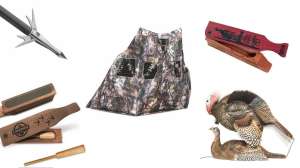
Five must-have products for turkey hunters

If you're looking to connect on a gobbler this spring, these five items can make your hunt much easier.
Wild turkeys hunter

Reconciling Death In the Turkey Woods

A hunter kills two birds and the turkey woods is a classroom. The instructor is death. The lesson: unfair, but primal.
Rio Grande Turkey00253

Your guide to hunting Rio Grande turkeys

Going after turkeys this spring? This four-part series is your guide to harvesting the four wild turkey subspecies. Part II: hunting Rio Grande turkeys.
John hafner archive 13195

Your guide to hunting the Merriam's turkey

Going after turkeys this spring? This four-part series is your complete guide to harvesting the four wild turkey subspecies found in the U.S. Part I: hunting Merriam's turkeys.
John hafner archive 09419

Top 10 spring turkey scouting tips

Do you believe “the birds are either there or they aren't — but they usually are, so why bother scouting?” Not a good plan, Kemosabe.
Osceola Turkeys in Florida Photo FWC Chad Weber

Turkey season takes flight with Osceola season opener

Florida’s spring turkey season opens March 3 on private lands south of State Road 70, making it one of the first spring turkey hunting opportunities in the country. Florida is also the only place in the world where the Osceola subspecies of wild turkey is found. Also known as the Florida wild turkey, abundant populations of this subspecies live only on the Florida peninsula. It's similar to the eastern wild turkey subspecies, which is found in north Florida and throughout the eastern United States, but tends to be smaller and darker with less white barring on the wings. Hunting wild turkeys is popular in Florida and throughout North America. One reason people enjoy it is the range of calls wild turkeys make. The most recognized call is gobbling, which is most often associated with male birds, or gobblers, during spring when they breed. The gobbler will fan its tail, puff its feathers, strut and gobble to attract hens. Hunters pursue this wary bird by imitating various turkey calls to bring gobblers in close. Getting to see a male wild turkey’s courtship ritual is exciting for new hunters as well as those with years of experience. Another benefit of turkey hunting, for those lucky enough to harvest a gobbler, is that the meat is a good source of healthy, organic protein. “Spring turkey season gives hunters the chance to share a delicious wild game meal with friends and family. It’s also a great time to share the turkey hunting experience with someone who has never tried it,” said Roger Shields, the Florida Fish and Wildlife Conservation Commission’s (FWC) Wild Turkey Management Program coordinator. “The weather is mild, the spring woods are beautiful, and the thrill of hearing a gobbler respond to your calls is a wonderful memory you can share with a new hunter.” Wild turkeys are a conservation success story in Florida and across North America. They had almost disappeared by the turn of the 20th century, with populations remaining only in remote pockets of habitat. However, thanks to science-based wildlife restoration efforts, today Osceola and eastern wild turkeys are flourishing throughout the state. SEE ALSO: Try this Bourbon-Based Turkey Brine This Season FWC wildlife professionals use scientific data to conserve wild turkey populations and provide regulated and sustainable hunting opportunities. Hunters also play an important role in wild turkey management by purchasing licenses and permits, and along with other shooting sports enthusiasts, contributing to the successful Wildlife and Sport Fish Restoration Program. North of State Road 70, Florida’s spring turkey season on private lands opens March 17. Florida’s wildlife management area system also offers opportunities for turkey hunters, and because dates and regulations can vary, hunters are encouraged to review the regulations brochure for the WMA they plan to hunt. Get a snapshot of Florida’s wild turkey season dates and bag limits by visiting MyFWC.com/Hunting and clicking “Season Dates.” — Story and photo from the Florida Fish & Wildlife Commission
Rhino 150

Three last-minute items to add to your turkey hunting arsenal

This turkey hunting gear is ready to boost in-the-woods success and enjoyment.
Coyote attacks Turkey on Vimeo

Top 3 tips for taking coyotes while hunting turkeys

Springtime often means turkey hunting, but that doesn’t mean coyotes get a free pass.
Drought Map

Drought grips United States, but don't freak out about the wildlife

Almost 40 percent of the United States is thirsty, according to the U.S. Drought Monitor, with lack of rain and snow contributing to a mounting problem. The USDM, located at the University of Nebraska-Lincoln, says approximately 38.4 percent of the country including Alaska, Hawaii and the Puerto Rico territory currently is affected by the ongoing drought. Seems difficult to imagine Alaska or Hawaii not having enough snow or rain, but parts of each state are having issues. Deer and other wildlife may be feeling the impacts of the drought gripping much of the United States. (Photo courtesy iStock) On the mainland, there's less rain and snow along the West Coast and parts of the western mountain ranges, and little rain in the Southwest and Southeast. All this presents potential problems with more wildfires like those last year in southern California and impacts on winter crops. The drought also can impact vegetation needed by wildlife, such as mast-producting trees and seed-bearing plants. Remember that whole "circle of life" thing from elementary school? That's in play here, too. Lack of water can reduce forage, which impacts big and small game, the latter of which can impact predators, and in areas where streams, creeks or smaller rivers dry up the animals begin roaming to search for water. Or they die. Maybe both. Drought also obviously affects aquatic creatures and fish, too. What does it matter? It matters a lot for economics and the environment in the country. More rain, or normal rain, would be the best scenario. How about deer, turkeys, predators and other wildlife? Deer in several states including Ohio, West Virginia, parts of eastern Kentucky, eastern Tennessee and others experienced some deaths from epizootic hemorrhagic disease last summer. It's a common disease in the whitetail world, and we usually see more of it in drought years. We haven't seen any other news about drought-related wildife problems yet but are monitoring the situation.