
I’ll be the first to admit, I was startled when a coyote suddenly appeared sprinting around the brush at a mere 10 feet to my left. It was almost in my lap when it suddenly determined I was a human. In a startled panic, I sent a wild round and the coyote switched ends and dashed across the cactus-filled Texas cattle pasture. I regained my senses as the distance grew between that coyote and me, and I was able to stop it with a loud squeak call, nearly 150 yards away — only a few steps from the safety of dense brush. That pause gave me the few seconds I needed. I was recomposed and settled as I pressed the rifle into my shooting sticks and tugged the trigger. The scrappy looking coyote faltered as it ducked into the brush.
My hunting partner, who had been sitting about 20 feet away during the action, erupted with loud laughs and swore I missed that coyote with the follow-up shot. I thought otherwise. I walked over to the brush at the far edge of the pasture, made a brief search and retrieved a very dead coyote. My days of shooting practice — and getting off the bench at the range — had prepared me for a hurried shot from the sticks. OK, practice had not prepared me for that close coyote encounter.
Practice Make Perfect
The old saying that practice makes perfect has merit and especially so in hunting. I’m not knocking bench work because it helps shooters become familiar with their rifle, riflescope and ammunition. Familiarity is a good thing and unfortunately many hunters miss easy shots and wonder why. It’s often because they are used to shooting only in a very controlled environment — the range — from a steady and level surface while using sandbags and at known distances to the target. Bench shooting also is normally not done under pressure. Those parameters, however, do not exist in the field while hunting. That’s why it’s important to get off the bench and practice if you want to be more accurate while hunting.
The great news is that there are more and more ranges building hunters’ courses, where you simply load your hunting rifle, walk up a valley or across a ridge and locate targets in the brush or on opposite hillsides and then quickly set up and shoot — just like you would while hunting. These courses are great for improving hunting skills. If you have enough property or leased hunting land, you can create your own course, or possibly go to a national forest, find a clear-cut and take a hike and shoot stumps above and below the logging roads. Again, follow all rules of firearms safety with a focus on your target and what is beyond it. You must also stay abreast of local restrictions, because some public land areas do not permit target practice. Those restrictions are often the result of trash left behind by shooters, so remember to police your brass and targets if you use any.

Get Steady and Get Ready
If you want to lose money, make a bet that there will be a fencepost, tree, rock or some other solid object you can use to steady your rifle when you spot a critter on the landscape ahead. And that’s why you should never leave home without your shooting sticks and spend time during the off-season practicing with them in various field positions. It’s also important to be able to shoot without the use of an aid. Practice sitting, knelling, prone and standing positions at the range so you’re ready to use them if you have to in the field.
The best hunters I know shoot from these various positions on a regular basis. If you are shooting at a range that permits it, get off the concrete or wood surface and get on the ground and practice prone and sitting shots. Remember that as a rule, the closer you are to the ground, the steadier you are. Same holds true while using shooting sticks and bipods. Get as low as terrain and visibility allow for the steadiest shot possible.
As with all hunting equipment, you need to become very familiar with the shooting sticks, bipods and tripods you use on a regular basis. Can you make adjustments to the legs and adjust the height and cant without looking? Some require pressing levers or knobs, and others mean turning small collars on the legs. While tripods are steadier than bipods, they require more adjustments before you can get steady and shoot that bobcat or coyote you have spotted poking out of the brush a hundred yards away. The solution: Practice with the equipment you’ll use in the field until you know it inside and out.
Take a Seat
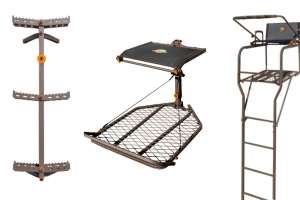
For some hunters, lying prone on the ground can be difficult and visibility can be hindered by grass, rocks and other debris. One of the best solutions is to take a seat, those being marketed to turkey hunters providing a good example. Many are built into hunting vests and can be used anywhere, and some have a back support, so you don’t need to find a tree trunk or bolder to lean against. The bottom seat cushion is attached to the back of the vest on each side and when folded into the right configuration to make a pocket you sit into and lean back. A good example is the Browning Tracker padded ground seat that retails for about $50.
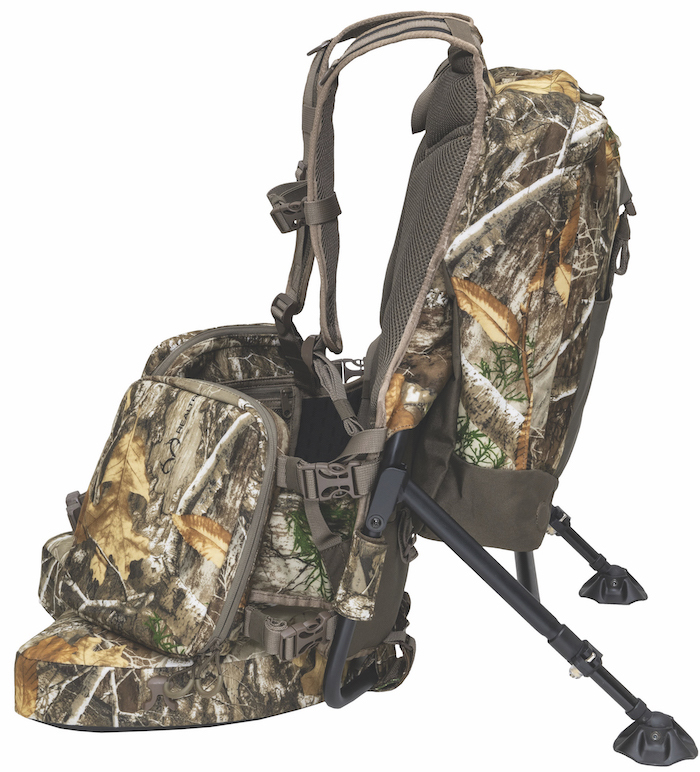
A seat will get you up off the ground and keep you warmer and drier, which means you will be able to sit longer — guaranteed. The lightweight and rugged HS Strut Seat Chair is olive in color and has a carrying strap that can be adjusted so the chair is easy to transport. OK, there’s no back, but the seat is comfortable and weighs less than most hunting rifles. There are also more traditional seat designs from sources such as Alps Outdoors, Primos and others. Yes, these tend to be heavier and more like seats with backs and a seating surface. As an example, take a look at the Alps Enforcer predator hunting vest, which is a daypack that converts into a seat and has legs to help you steady up.
One other type seat that is popular in Europe and available from a few sources here in the United States is the saddle-type model on the end of a sturdy monopod leg. You simply adjust the pole for the height where you plan to sit and then open the seat surface, lean against a tree or fence post and sit. These seats are used often on driven pig hunts in the forests of Europe because they are quick to set up anywhere — and they are lightweight. The Mojo Mud Seat is very close in design. Another semi-close American version is the small tripod seat used by hunters along the edges of dove fields, such the Ameristep Lightweight Dove Stool.
The more comfortable you are, the better you feel and the longer you sit. Hunting call-shy coyotes and stealthy bobcats is often a waiting game. Those who can sit motionless the longest and avoid detection are normally the winner. And like all hunting gear, get familiar with any seat you decide to use before you hunt. Summer practice sessions are the best time to test rests, bipods, shooting sticks and seats so you can discover what works best for you — or what might result in missed shots afield.