
Planting food plots for whitetails and other wildlife has become one of the most popular and effective management practices for private landowners, hunting clubs and habitat managers. When done correctly, food plots can boost herd health, improve nutrition throughout the year, and significantly improve hunting success. However, planting food plots isn’t as simple as just scattering seed on the ground and hoping for the best. A lot of time, effort and money is wasted each year because of avoidable mistakes.
Whether you’re new to planting for wildlife or a seasoned manager, it pays to revisit the fundamentals and make sure you aren’t falling into some of the most common traps. Below are the top 10 food plot mistakes — and how to avoid them.
1) Not Starting With a Plan
Why exactly are you planting food plots — to grow big antlers and healthy deer, to help recover from rut related stress, holding deer, or simply to attract them during hunting season? For most, the latter is their initial motivation, they want to attract whitetails to make them easier to hunt. However, for many this expands to an “all of the above” reasoning after a few years. So your goals matter greatly.
How much acreage are you devoting? If you want to “do it all,” do you have enough available acreage? Often the plot’s location, size and design, and what you could plant, will vary greatly depending upon your goal(s).
If you simply want attraction during hunting season, when specifically do you want that attraction? What you should plant for early bow season would be different than for gun season, and it would also likely vary for late season.
Avoid the mistake: Think about your access to equipment, available areas to be planted, budget, timeline and as many details you can think of — BEFORE you begin.
2) Skipping the Soil Test
This one has to be on our list — it’s definitely the most common mistake. When trying to get to the bottom of problems people have, I will ask, “Could I see a copy of your soil test results?” The answer is usually, “What test?” Or, “I didn’t do one.”
Too many landowners buy seed, work the soil, and plant without ever knowing what’s under their feet. Soil pH and nutrient levels determine whether your plot thrives or struggles. If the pH is too low, plants can’t properly use nutrients — even if you fertilize heavily.
God has created the perfect conditions for what is growing there now — we want to change it so the conditions are perfect for our given crop. A simple soil test will tell you exactly what your soil needs in terms of lime and fertilizer. Correcting the soil pH is often more important than adding fertilizer, since many whitetail-favorite plants such as clovers and brassicas demand a fairly neutral pH between 6.0 and 7.0.
Avoid the mistake: Always test your soil before planting and apply amendments accordingly. A $10 to $20 soil test can save hundreds in wasted fertilizer, poor plant growth, and your time.

3) Planting in a Bad Location
Not every woodland opening is a good food plot site. Some managers try to plant on shady trails, wet spots or poor soils just because they’re open. While deer will browse almost anywhere, a poorly located plot will never perform to its potential. Does it get enough sun? Does it flood? Is the soil like “beach sand?”
Plots that are too shady won’t produce enough forage and will peter-out quickly after germination. My rule of thumb is if there is something significant growing there (knee-high vegetation or better), that typically indicates it’s getting enough sunlight. If nothing is growing well in a spot, what makes you think a food plot will do any better? Low-lying areas may stay waterlogged, drowning seedlings. Steep slopes can erode and wash away seed. Some soils are too acidic and some too far on the alkaline side of neutral to produce a crop.
With small plots or skinny areas such as logging roads or powerline right-of-ways, consider its aspect to the sun. How about equipment access — we haven’t even talked about whether you’ll be able to get your tractor to the spot through the swamp and under the big oak tree without getting stuck or breaking off the tractor mirror?
Avoid the mistake: Choose food plot sites with adequate sunlight; at least 6 hours per day for many species, but some crops will require full sun. You want well-drained soils, and try to put them nearby cover so deer feel comfortable accessing them during daylight. Also consider hunting access — pick locations where you can enter and exit without bumping deer.
4) As Thick as the Hairs on a Dog’s Back
Planting seed too heavy can be done by accident or sometimes on purpose — more is better, right? Or, you pour your seed in your broadcaster, start cranking the handle and get halfway through your plot and notice you’re already out of seed — so you add more. Usually, this will create a plot where the plants will never reach their potential because they’re competing against one another for sunlight, nutrients and moisture.
It should be said, however, there are times with certain plants or conditions where I will plant heavy. For example, when planting annual legumes such as soybeans in areas with heavy browse pressure, I’ll plant heavy knowing that many plants will get browsed soon after germination, and the extra plants will help fill some of that void. But for the most part, stick to the recommended rate on your product’s bag.
Avoid the mistake: Measure the area to be planted. A laser rangefinder or a number of smartphone apps can help you nail this exactly. Do a little math and measure out the correct amount of seed to cover the area. Because most of us do not have metered seed drills, set your broadcaster lean. My goal is to cover the entire area and have seed leftover in the broadcaster. Then I will go back over the area, often in a different pattern. Do this until all the seed is used.
5) Not Rotating Crops
Not rotating crops can create a host of problems that reduce the long-term productivity and benefit. It can lead to poorer soils, more pests, more weeds and less-productive plots. Different crops use nutrients at different rates. Planting the same crop year after year — especially heavy feeders such as brassicas or corn — strips the soil of specific nutrients, leading to declining yields. Without rotation, organic matter can also diminish, reducing fertility and structure over time.
Another important detail is insects and diseases tend to build up when the same host crop is present each season. For example, planting brassicas (radishes, rape, turnips, etc.) continuously can attract rootworms, nematodes and fungal diseases that overwinter in the soil. Rotating breaks pest cycles and helps keep infestations manageable. In addition to all of this, weeds become more difficult to control, there is lower forage diversity, and typically a long-term decline in plot performance will occur.
Avoid the mistake: Smart rotation — mixing in legumes, grains and brassicas in sequence — keeps plots healthier, more resilient, and more attractive to wildlife.
6) Neglecting Maintenance
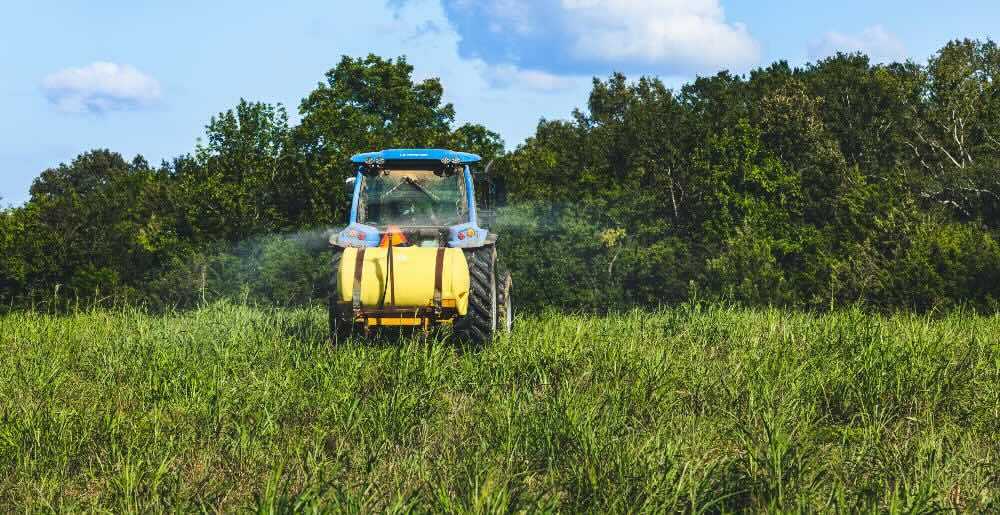
This has mostly to do with perennials, but can also apply to annuals. Most seed companies claim 3 to 5 years’ growth with a perennial, but with proper maintenance I tend to get more like 6 to 12 years out of them. Failing to mow, spray or re-fertilize plots means the plot simply won’t last as long.
Perennials such as clover and alfalfa do well when mowed. It helps to stimulate new, more palatable growth and stolon production, and keeps certain weeds and grasses at bay. Spraying herbicide when you have a problem will also extend the life of the stand. The most common type of herbicide used that is safe for your legume crop but still kills the grass would be one with the active ingredient of either clethodim or sethoxydim.
Avoid the mistake: Mowing (usually about three times during the growing season) and spraying with a grass-specific herbicide when grasses become a problem will dramatically extend the life of your perennials. A little fertilizer each year will also help — legumes produce their own nitrogen so use a fertilizer with no nitrogen.
7) Using Cheap Seed or the Wrong Seed
It’s easy to be lured by marketing gimmicks or “deer blends” at the local big-box store. Many of these mixes contain cheap filler seed like ryegrass, which may grow green but provides little nutritional value to deer. Some species are also poorly adapted to your region or soil type.
For example, alfalfa can be an incredible forage — but only in well-drained soils with the right pH. Soybeans are a great food for deer but grown in areas of partial shade simply won’t perform well.
Buying the cheapest seed is usually also a mistake. Most of the time the seeds that are a bit more expensive are premium seeds and may have been coated to protect them and to enhance performance. So if you purchase a cheap seed and get a 60% germination rate and poor performance, or a product that is a couple bucks more per acre and get 90%-plus germination and great performance — was the $5-$10 per acre you saved worth it?
Avoid the mistake: Match seed species to your goals, soil type and climate. Consult your soil test and research which crops thrive in your region. Trusted seed companies and extension services provide guidance that’s far more reliable than flashy packaging.
8) Ignoring Timing and Planting Depth
Another frequent mistake is planting at the wrong time or at the wrong depth. Many seeds have narrow planting windows that depend on soil temperature and rainfall. Plant too early in the spring, and young seedlings may be killed by a late frost. Plant too late (in the spring), and hot, dry weather can prevent germination or completely burn-up new seedlings.
Planting depth matters, too. Tiny seeds such as clover and chicory need to be planted on or very near the soil surface. Seeds are living organisms that contain energy; they need moisture to release that energy. With small seeds, if planted too deep they run out of energy before they can breach the soil surface and begin photosynthesis to create more energy. If you bury small seeds even a half-inch too deep, germination rates plummet. Larger seeds such as corn or soybeans, on the other hand, must be planted deeper to access moisture.
Avoid the mistake: Follow recommended planting dates for your region and species. Pay close attention to rainfall forecasts and soil moisture. Always check the seed tag for proper planting depth and don’t guess — adjust equipment or technique accordingly.
9) Over- or Under-Fertilizing
Fertilizer is expensive, and many managers make the mistake of either skipping it altogether or applying it blindly. Under-fertilizing leads to weak plants, while over-fertilizing wastes money and can even harm plants. Applying the wrong type of fertilizer — like using high-nitrogen blends on clover — also wastes resources.
If you want to save money on fertilizer, I would look into regenerative farming practices. They include cover cropping, reduced or no tillage, diverse crop rotations, and keeping living roots in the soil as much as possible. The long-term goal is healthier soil that supports healthier plants, animals and ecosystems. These techniques have saved me thousands on fertilizer.
Avoid the mistake: Let your soil test guide you. Apply the right amount of nitrogen, phosphorus and potassium for your chosen crop. Use lime as recommended to adjust pH, since fertilizer efficiency drops dramatically in acidic soils. Look into regenerative agriculture — healthier soil means healthier plants, animals and humans.

10) Relying Too Much on Food Plots
Food plots are not a cure-all for poor habitat management or stupid trigger-finger control. Food plots will certainly make your hunting better and help your whitetail herd. However, it is not going to give you the best bang for your effort if you don’t also manage the native habitat and mold your deer herd by harvesting the right animals and the correct amount.
Manage the native habitat for browse species, early successional plant communities, mast species (both hard and soft mast) and cover. Even if you have the best food plots in your county, whitetails MUST HAVE browse and healthy native plants. You also want to have a balance — the herd should have a balanced age structure and sex ratio and you should strive to keep the herd balanced to the habitat, keeping it under the actual carrying capacity.
Avoid the mistake: If you don’t know the answers to these questions, consult with someone who does. I or one of my colleagues at Mossy Oak BioLogic would be happy to help — just contact us at biologic@mossyoak.com.
Final Thoughts
Food plots are one of the most rewarding tools in a habitat manager’s toolbox, but only when they’re done correctly. Skipping soil tests, planting poor seed, ignoring weed control, and other common mistakes lead to wasted money and frustration. By avoiding these top 10 pitfalls, you’ll not only improve your chances of growing lush, attractive plots, but you’ll also provide meaningful, year-round benefits to whitetails and other wildlife.

Sidebar: Todd’s Three Favorite Blends
1) My favorite planting is BioLogic Deer Radish. Not only is it one of the most attractive crops during hunting season, it also contains off the chart nutrition for your herd. High 34%-plus protein levels and approximately 80% TDN (total digestible nutrients) make this crop irresistible to deer. On top of that it is GREAT for your soil! The NRCS puts this in the top 10 cover crops to benefit your soil.
2) Another favorite is BioLogic Game-Changer Forage Soybeans. It’s a glyphosate-resistant, forage soybean that also produces a high yield of beans. It’s excellent attraction and nutrition, and makes a great companion crop that I plant along with other things such as brassicas.
3) Last but not least is BioLogic Clover Plus. I’ve used this blend for decades, and it’s hard to improve on perfection. It’s the best perennial clover blend I’ve ever seen — a combination of New Zealand red and white clovers with chicory. These clovers have been genetically developed to produce larger, more succulent leaves and thinner stems, resulting in higher nutritional value and improved digestibility. Clover Plus is extremely hardy and drought-resistant, delivering consistent production through the hot summer months and offering a combination of high nutrition, exceptional palatability, and vigorous growth that deer simply can’t resist.