
When I thought I had eliminated the coyote problem on one of my best Iowa food plots, I was obviously in error, as a deer-hunting client mumbled how he HATED those damn coyotes as he climbed into my pickup. I had snared five coyotes on the property and an earlier bowhunting client had arrowed a sixth during archery season. Obviously, there were still some left.
According to the distraught client, a 160-class buck had eased onto the far end of the food plot, 200 yards from his blind with a half-hour of shooting time left. The hunter figured the buck would join the group of does that had moved 50 yards closer to the blind, but a pair of coyotes appeared and spooked the deer off the plot.
The following afternoon, I drove to the center of the plot, 75 yards from the blind, and made a dirt-hole trap set with a bleached steer skull acting as a visual attractant and hung snares on the trails leading to the edge of the 40-yard-wide plot.
Two days later, the same client agreed to hunt the plot all day. At first light, he was surprised to see a trapped coyote in the dirt-hole set and another one dead in a snare. To his amazement, he had more than a dozen deer in the plot throughout the course of the day. They all kept an eye on the trapped coyote but seemed to know it couldn’t get to them and continued munching brassicas.
Late in the afternoon, the 160-inch buck eased out of the woods, eyed the trap fighting coyote for a couple minutes and then moved up the field to where several does were feeding 150 yards from the blind. The hunter made a perfect shot with his (newly legal in Iowa) .450 Bushmaster, dropping the buck within a few yards of the hit and then finished off the trapped coyote with a second shot. He was one happy camper, with two trophies and having witnessed a unique example of the idiosyncrasies of deer behavior.
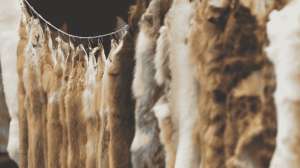
When long-haired fur prices peaked during the late 1970s and ’80s, the high dollars focused attention on predators and their management. Several states changed the classification of predators such as red and gray foxes, bobcats and even coyotes from unprotected and unmanaged critters to furbearers, with limited season dates and possession limits, nonresident restrictions, hunting and trapping limitations and such. Unfortunately, the popularity of long-haired furs also focused animal activist and “bunny-hugger” attention on protecting these “WFCs” (Warm Fuzzy Critters) entirely and the bleeding-heart liberals in several states were able to outlaw trapping entirely.
All this falderal faded when the market crashed in the late ’80s, along with predator hunting and trapping and management in general. Coyotes seemed to be the main beneficiary, at the expense of big-game species, especially whitetail deer, whose populations had increased across the United States during years of high-priced predator furs and increased trapping and hunting pressure.
When I started outftting in Iowa for trophy deer in the early 1990s, it didn’t take but a couple seasons to realize that when I spent the time, effort and dollars to create deer drawing food plots and create sanctuaries on my hunting leases I was also creating alluring hunting grounds for coyotes. The fact that Iowa’s trapping season, as well as those in other prime whitetail-producing Midwestern and Eastern states, didn’t open until November, meant serious and specific coyote control utilizing traps and snares, which are most effective and inconspicuous, had to be done during big-game seasons.
During bow season, I urged and even taught some of my bowhunters to start their morning bow hunts with a short predator calling session and end the hunt the same way. A bow shot isn’t going to spook any deer in the vicinity, and we took several coyotes this way and educated others, which wasn’t all that bad. During the firearms season, having coyotes spook deer off a food plot or simply howling in the vicinity during prime time was a problem until I got my in-season control tactics functioning effectively. A firearms hunter is not about to shoot a coyote where they are hunting, and chance spooking a trophy buck.
To control and eliminate coyotes throughout the season, I mainly used snares and baits placed at opposing ends of the properties, often well in advance of the start of the season — livestock carcasses from ads in the local paper, roadkill where available and legal and frozen blocks of meat scraps bought from local processors. These baits were placed where I could glass them from a distance without disturbing the area. The baits would also pull coyotes away from the food plots and travel ways.
If coyotes gave me trouble during the season, I would use a trap and snare setup and check from a distance at midday to avoid disturbing the area more than necessary. Coyote management during the big-game season is a challenge of its own and the harder and smarter you work at it the more successful you or a client will be.