
With my mountaineering-style pack loaded to the gills, I trekked my way up through the juniper and sage-covered lowlands and up into the aspen-covered alpine. It had been a number of years since I hiked this side of the mountain range. On my first adventure, a wrangler took my friend and I into these remote, Nevada mountains. We saw a number of big mule deer bucks on that hunt, but sneaking close proved to be a daunting challenge for this then-inexperienced backcountry hunter.
However, after more than a decade of wilderness hunting, I was much more confident in my approach. My plan on this muley hunt was simple: backpack into one of my known honey-holes, then hunt for a couple days. If I didn’t have success, I’d move on to new country and hopefully better hunting.
The day was ending as I arrived at a large meadow with a gurgling creek flowing through it. It seemed like a prime spot to pitch my one-man tent. I cooked up freeze-dried spaghetti and then swallowed two Advil PMs to ease the soreness from the arduous hike in.
Unfortunately, I awoke to a symphony of elk talk. It was total chaos as the large animals stampeded all around my dinky tent. There wasn’t too much shuteye for me that night, but at least I knew I was in real-mountain country.
At daybreak, I gathered my gear and headed out for a quick looksee. It wasn’t long before I came across a large-framed 4x4 muley. I slipped on my fleece stalking booties and began the sneak. At the 80-yard mark, an errant wind carried my scent to the big guy, and he vanished like smoke.
I hiked across the valley and tried another area, but things seemed sparse over there. I went back to camp and decided I’d load up and trek deeper into the backcountry.
By the end of the day, I was astonished by my progress. I had cleared another 8 miles of trail, and I was now nearly at the other end of the mountain range. This meant I was 16 miles from where I parked my truck at the trailhead!
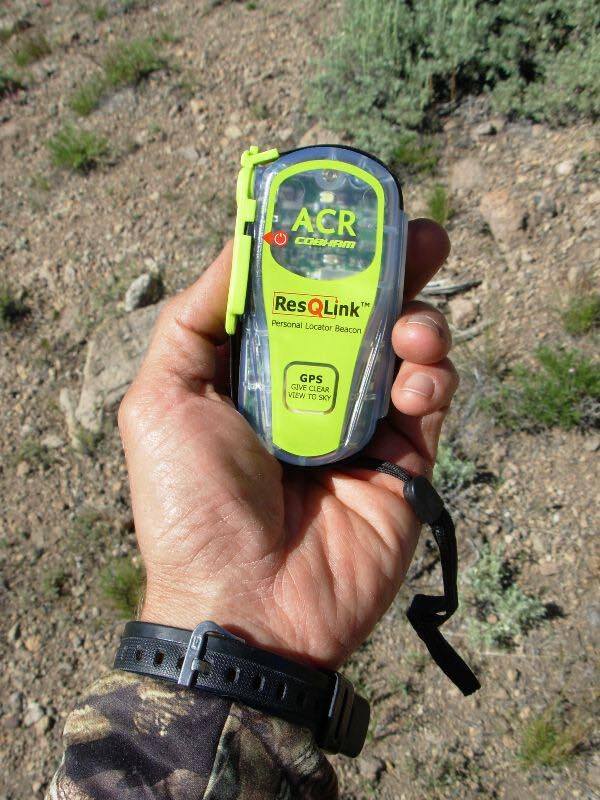
Fortunately, I had all I needed to survive on my back. I also had a satellite phone and an emergency locator beacon. I was deep in the woods — and completely alone — yet I felt entirely at peace. Camping under the stars that night was certainly dreamlike. Before dozing off, I couldn’t help but wonder what tomorrow would bring.
The next morning, I was up before dawn, boiling water for coffee and oatmeal. After breakfast, I eagerly ventured out, searching for game.
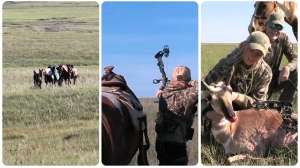
This side of the mountain range was denser, with more continuous sections of aspen and mahogany. My hunting tactic quickly switched from spot-and-stalk to spot-and-sneak. Only minutes into the morning hunt, and I caught movement. It was a bachelor group of bucks, feeding amongst the aspens. I quickly tiptoed toward the deer.
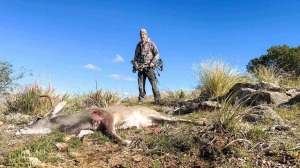
My focus was on a particular 4x3 buck and, before I knew it, I had set up a 45-yard shot on the deer. I drew carefully, aimed and squeezed through the shot. The arrow flashed ahead and made a piercing sound as it entered the buck’s chest. He was down quickly. As I admired this great buck, I couldn’t help but feel a sense of accomplishment. I had traveled a long ways, I thought, but it was clearly the reason behind my success.

Staying Mobile
Bivy hunting works because it keeps you highly flexible and mobile. Unlike other hunting methods, you aren’t putting all your chips in one particular basket. Instead, when hunting conditions run dry, you have the luxury of moving on and exploring new country. In other words, you can change a poor situation into something potentially more productive — and you can do it all in less than a day’s worth of walking!
Of course, this hunting approach works well only if you plan wisely, travel light and get in moderately decent shape. Here’s how to get started.
Planning Your Adventure
There are two ways to approach a bivy hunt: You can load up a backpack with 3 to 5 days’ worth of essentials, then venture out into the backcountry, camping in different locations while looking for game.
Or you can hike out with an even heavier pack on — carrying 7 to 12 days’ worth of gear, for example — and then arrive to a base camp area 5 to 8 miles in. At base camp, you can then “off load” much of the gear (such as extra food, fuel and clothing). This gives you the ability to travel light, return to base camp, and then resupply for your short bivy outings. This is the approach I use on most of my bivy hunts, as it improves my ability to penetrate deeper into wilderness country.
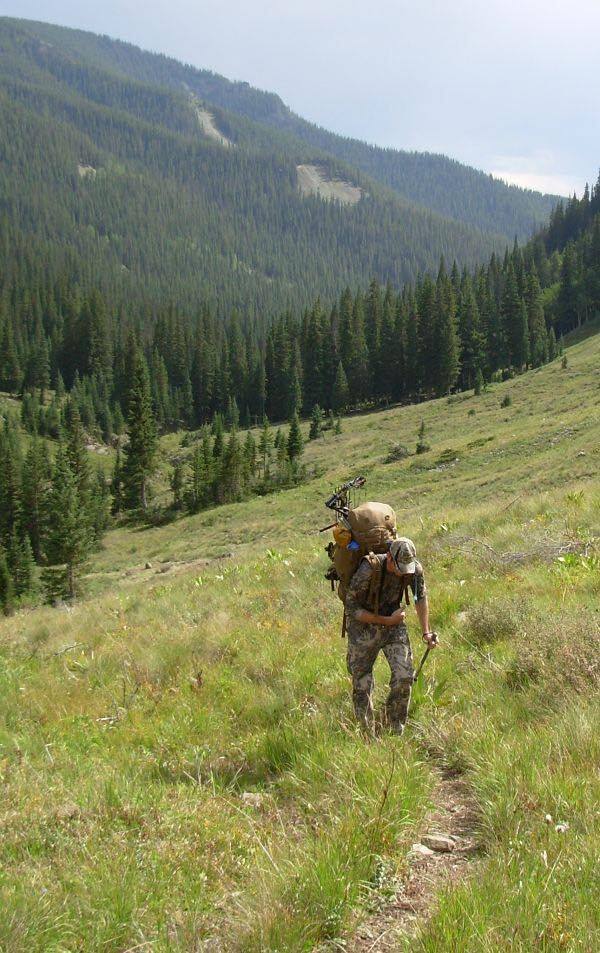
Keeping your bivy pack weight to no more than 45 pounds is prudent. Remember, you’ll be hiking off-trail a lot, climbing steep terrain while hunting around for game. To maintain this weight limit, you’ll need to scrutinize everything that goes into your pack — and trust me, every ounce counts!
Prior to the hunt, I like to take an overview of my hunting area by using e-scouting tools, such as onX and Google Earth. These tools can help identify important landscape details, all from the comfort of your home. For example, if I’m pursuing early fall mule deer, I’ll note areas with sub-alpine terrain above 9,000 feet. Then, I’ll look for prominent ridgelines that lead to good-looking feeding and bedding locations. I also identify adjacent water sources.
Once I’m confident a particular area has appropriate cover, food and water for deer, I’ll begin identifying nearby vantage points for glassing, along with potential hiking routes and camping locations. Once you have your onX map all marked up, you can download the map for later reference in the field, without using the internet.
Using the Right Gear
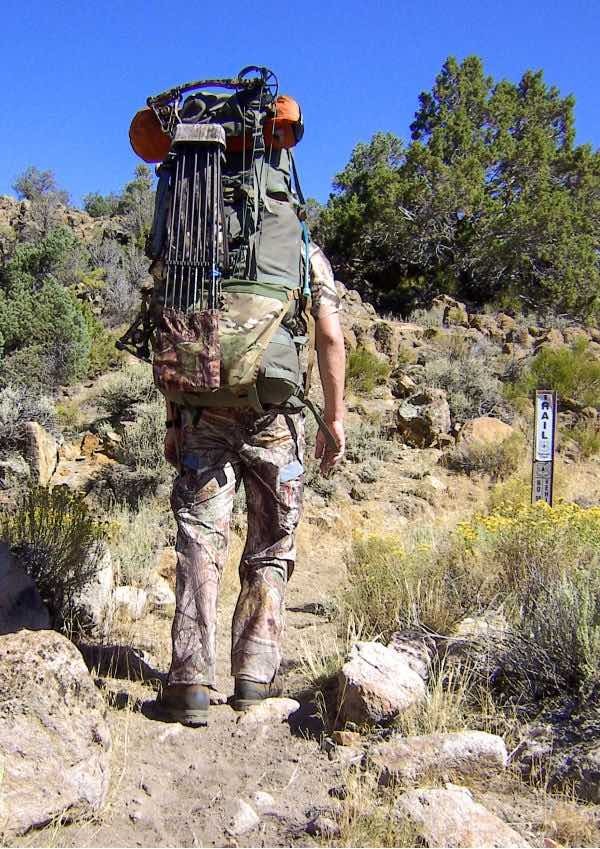
When it comes to important bivy gear, nothing could be more vital than a well-designed backpack. If your pack breaks or causes discomfort on the trail, your hunt is potentially over.
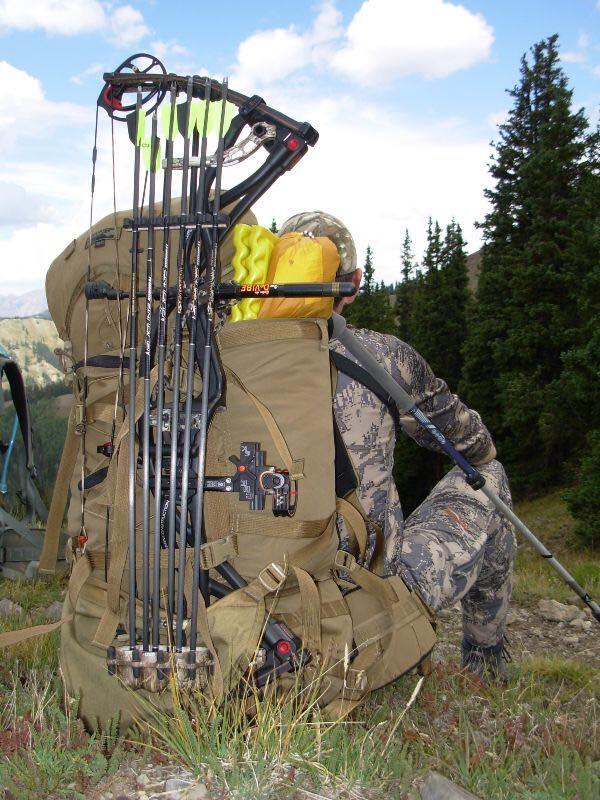
The best bivy packs have internal frames, adjustable torso systems, and thickly padded shoulder and waist belts. The pack should also be large enough to hold all your camping gear, yet remain fairly compact and streamlined, so you can balance the load well and go under tree branches with ease. Packs with approximately 4,500 cubic inches of storage capacity are ideal for multi-day bivy hunting. Kifaru, KUIU, Mystery Ranch, Gregory and Osprey, are all great brands to consider.
Sizing the pack to fit your body is critical. I highly recommend shopping for a bivy pack at a high-quality backpacking store. You might pay a little extra compared to online prices, but the expert advice you’ll receive will be worth every extra cent.
Fortunately, there are lots of helpful videos on how to properly fit a pack, so if you do purchase a pack online, you can have a friend measure your torso length and then dial in your pack’s settings to fit your body’s unique size and shape.
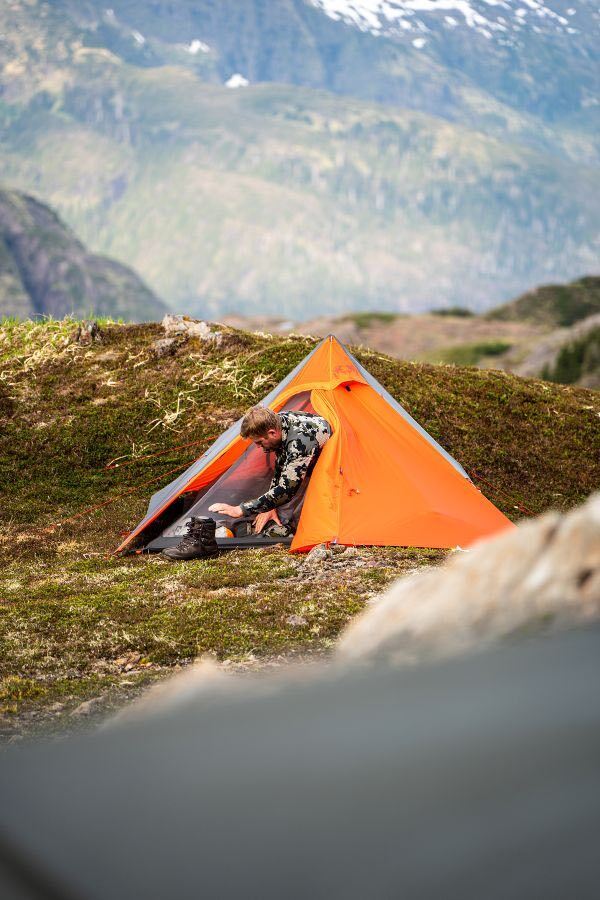
For shelter, a one- or two-man tent works best, depending on the hunter’s preference. For example, my Easton Rimrock 1 tent weighs exactly 3 pounds, but it’s pretty small inside. There’s just enough room for my sleeping pad and bag and that’s it. A hunter who wants a little more wiggle room for increased comfort and storage should go with a two-man model. KUIU’s Mountain Star 2 tent is a great model to consider; it weighs only a little over 3 pounds.
If I’m hunting with a partner, we may decide to “share the load.” If this is the case, I’ll pack my Big Agnes C Bar three-man tent. At just under 5 pounds, this tent is sized perfect for two hunters and gear. KUIU’s Mountain Star 3 tent is also similar in size and weight.
As far as sleeping bags go, anything over 3 pounds is a bit heavy. Your sleeping pad shouldn't weigh more than a pound, either. I use a 20-degree down-filled sleeping bag and a Thermarest NeoAir inflatable pad. In cold weather, I add a Thermarest Z-Lite foam pad, which goes under the inflatable pad to prevent the loss of warmth due to the cold ground.
For my early fall hunts, I use a 15- or 20-degree sleeping bag. For December and January deer hunts in Arizona, I use a 0-degree bag and also put an extra sleeping bag in the truck, or I pack along a lightweight fleece liner to ward off extreme cold.
Remember, every ounce counts and your shelter/sleeping system often weighs the most and takes up the highest amount of bulk in your pack, so strive to keep it light and compact.
Eating Right and Staying Hydrated
I typically pack instant oatmeal for breakfast and high-carb, high-protein snacks for lunchtime, such as bagels, peanut butter, meat sticks or jerky, packaged cheese, fruit leather, trail mix, and Clif Bars.
For fast morning hunts — that is, when I need to get going because the elk are already screaming and nearby — I may forgo the hot, instant oatmeal and coffee in exchange for a Clif Bar and cold tea or coffee mix.
For dinner entrees, the simplest, lightest option are freeze-dried meals, although instant ramen noodles and pouched meat work in a pinch, too.
My camp stove is a Jet Boil Titanium SOL. One standard-sized fuel canister lasts about 5 days when cooking morning and evening meals, but I always take an extra canister when off-loading gear at a basecamp. I also carry two Bic lighters, a small backup stove and a compact titanium heating pot. The MSR Pocket Rocket, Soto Windmaster, or BRS 3000-T are all good models to consider. I’ve had backpacking stoves fail, so I don’t chance this one.
Obviously, proper hydration is key when bivy hunting. Because water is heavy (a half gallon weighs about 4 pounds), I prefer to chart out water points during my hikes to resupply and avoid lugging the weight. You'll hunt better this way.
Depending on the duration of my trip, I'll use a lightweight MSR MiniWorks EX pump or Sawyer Squeeze to filter water for safe drinking. I prefer a pump over a filtration straw or tablets. This way I can filter, drink immediately, and resupply my water bladder as needed.
In my pack, I use a Platypus Big Zip EVO Reservoir (3 liters), which is fully loaded during the initial hike-in. I also take along a 32-ounce Nalgene Bottle and 96-ounce Nalgene Canteen (both empty) for camp water.
Dressing for Success
Clothing: I prefer high-tech synthetic clothing. These garments are lightweight and warm, but dry fast. They also come with antimicrobial properties, so you smell better despite lots of high exertion.
Pants that are durable, comfortable and offer stretch capabilities are best for bivy hunting. My favorites are KUIU’s Attack or Pro Pant, or Sitka’s Ascent or Mountain Pant.
I pack one extra set of pants. This way, I can wash my primary pant after 4 or 5 days of hunting. While this pant is drying, I hunt in my backup pair, which is often an ultra-thin hiker’s pant that smooshes down to the size of a grapefruit.
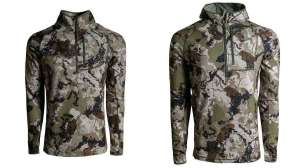
My upper garments consist of synthetic t-shirts, mid-layer fleece or merino wool quarter-zip tops, and a lightweight insulated jacket filled with Primaloft or high-quality down. At night, I stuff the insulated jacket into a game bag and use it as a pillow. It works like a charm! For September hunts or later, I usually pack thin thermal base layers, too.
Rainwear: Good rainwear is a must, too. For years, I used Cabela’s Ultra Space Rainwear with solid results, but I did tear the fabric once or twice when traveling through thick brush. My favorite rainwear nowadays, due to overall weight, packability and durability, are KUIU’s Chugach Series and Sitka’s Dew Point. Other top choices include Helly Hansen’s Loke, Patagonia’s Torrentshell, Columbia’s Watertight II, and REI’s Ranier.
Footwear: You’ll need supportive footwear to keep your feet and ankles tracking appropriately, especially when side hilling with a heavy pack on. I prefer stiff, yet lightweight backpacking boots. Such boots weigh 3 pounds or less on average, have a 7 or 8-inch upper, and come equipped with rugged outsoles to prevent slips and falls.
Lighter boots are better for two reasons: they improve my physical energy throughout the hunt and they enhance my stalking capabilities as a bowhunter.
I’ve used some great bivy hunting boots over the years, but my new favorite is Kenetrek’s Bridger High. I’m extremely impressed with this boot’s comfort and construction, lateral sole stiffness, and overall weight (only 2.9 pounds). Other good boots to consider include Crispi’s Thor or Summit, Danner’s 453 GTX, or LaCrosse’s Ursa MS GTX, to name a few.
To prevent blisters and hot spots, I use a relatively thick, high-quality wool sock like Smartwool’s Classic Hiker Crew or Kenetrek’s Montana Mid-Weight. I’ve used both of these socks with outstanding results during the past several years of hunting. I also use a thin Coolmax or merino wool liner sock. This prevents the main sock from chaffing my skin and causing “hot spots” or blisters. In all my boots, I use Power Step Heat Moldable or Super Feet Green inserts, depending on the boot. Both of these inserts support my arches extremely well and prevent foot pain, even after weeks of hard hunting.
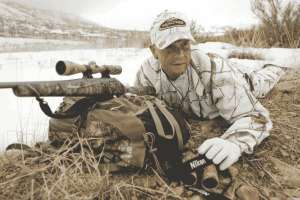
Optics: Aside from a top-notch binocular, you might need a compact spotting scope, too. This mainly applies if you’re trophy hunting deer, goat or mountain sheep. I’ve used Nikon’s Fieldscope 13x30x50 ED with great results. It weighs just under 20 ounces. Swarovskiand Vortex offer similar models with improved optical systems. I also carry a small tripod that extends to about 14 inches. I find the tripod useful for self-portraits and lifestyle photography, too.
Getting in Shape
An effective bivy hunter doesn’t need to be in marathon-type shape. I’ve been hunting the backcountry effectively for decades, and I stay in decent-enough shape by walking and mountain biking regularly, while also doing some light weight-training. I also have a cross-country skiing machine that I use maybe once a week, depending on my family/work schedule.
Every person will favor a different exercise routine, so explore and choose something you really enjoy. The key is to make it a long-term lifestyle solution, so you’ll do it consistently, month after month.
Eating healthy is a good way to improve your fitness, too. Resist sugary drinks and snacks and avoid greasy or highly processed foods. Drink more water and consume lean protein, along with lots of fruits and vegetables. Sweets and candy bars should be consumed in moderation.
If you’re tired of bowhunting the same ol’ wilderness spots year after year, all with mediocre results, you should consider a new approach. With the right mindset and plan, bivy hunting can deliver true results by helping you locate and take down big trophies in the backcountry.
Sidebar: Author’s 5-Day Bivy Pack
- Kifaru Timberline Pack – 5 lbs. 9 oz.
- Easton Rimrock 1P Tent – 3 lbs.
- Big Agnes Greystone 20-Degree Down Sleeping Bag – 2.4 lbs.
- Therm-a-Rest Neo Air Sleeping Pad – 1 lb.
- Sitka Dew Point Rainwear – 23 oz.
- Lexan fork and spoon, mug – 5 oz.
- Food for 5 days – 11 lbs.
- Water Filter – 16 oz
- Stoves and fuel – 1.5 lbs.
- SOG Power Pint Mini Multitool – 4.2 oz.
- Spyderco C48 Hunting Knife – 5 oz.
- Small Knife Sharpener – 3 oz.
- Outdoor Edge Griz-Saw – 5.4 oz.
- Parachute cord (25 feet) – 3 oz.
- Small First-Aid Kit w/ACE bandage – 4 oz.
- Lighter and waterproof matches – 1.25 oz.
- Topo Map – 4 oz.
- 2 headlamps with new batteries – 9 oz.
- Duct Tape (tiny roll) – 1 oz.
- Extra clothes: 2 extra wool socks, 2 merino wool boxer briefs, long-sleeve T shirt, ¼ Zip mid layer, insulated jacket, and stocking hat, (add fleece vest and base layer thermals for hunting mid-Sept. or later) – 3.5 lbs.
- Archery Items: 2-3 extra broadheads w/extra blades, 1 field point, Allen wrench set, extra center-serving material (6-feet of thread only), dental floss (4 feet). 8 oz.
- Alaska Game Bags – 10 oz.
- Fleece Stalking Booties – 10 oz.
- Cell phone w/battery charger – 12 oz.
- Toothbrush and toothpaste – 2 oz.
- 2 black trash bags (1 for covering backpack at night and 1 to make a tent ground cloth) – 5 oz.
- Nalgene Canteen (96 oz.), Bottle (32 oz.): 7 ounces
- Platypus Big Zip Reservoir: 7 ounces
- Easton Game Trail Hydration Pack (for day hunting): 25.6
- Drinking Water (3 liters): 6.6 lbs.
Approximate Total Weight: 45 pounds
Sidebar: Best Bivy Shelters
Many hardcore bivy hunters prefer a bivy sack over a small tent because it offers unbeatable weight savings. The problem is, if bad weather strikes, you’ll need to hunker down in this cocoon-like sack until the storm passes. That can be atrocious. To remedy this, you can pack along a tarp for additional protection, but most wilderness tarps weigh anywhere from 1 to 2 pounds. When you combine the weight of a bivy sack/tarp combo, it comes in at about the same weight as a one-man tent.
For this reason, I prefer a tent over a bivy sack for nearly all of my adventures. Fortunately, today’s tents just keep getting lighter, too, thanks to innovative designs and high-tech fabrics. For example, Big Agnes’ Tiger Wall or Fly Creek UL1 tent weighs just 2 pounds. Compare this to the company’s Three Wired Hooped Bivy that weighs 22 ounces, and we’re talking about a .625-pound difference between the two shelters!
Another lightweight shelter to consider is the versatile tarp-like tent. KUIU’s Summit Star 1 is a high-strength, waterproof, ripstop nylon tarp that forms into a single-person shelter by using a trekking pole. It weighs about 1 pound with stakes and guy lines, so it’s a great choice for those minimalist bivy hunters. You can also add a footprint that weighs another 4.8 ounces for added protection from the cold, wet ground. The shelter provides an incredible 43 square feet of floor space for outstanding protection for you and your gear.