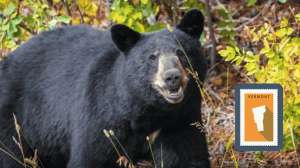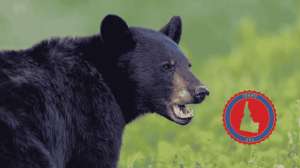

Florida’s last black bear hunting season was highly controversial, with opponents protesting loudly from the grassroots level to the state legislative offices. News media jumped on the hot story, seeing gold ratings. The Florida Fish & Wildlife Commission forged ahead, with 295 bears reported killed during the short season. Data proved that a quota goal based on the estimated state population was achievable and could help long-term management.
A lot of closed-door discussions reported threats of lawsuits and more put the kibosh on any hunts after that. Despite a growing number of bears and reports of problems in the state, especially in the Central Florida region between Orlando north to Ocala and the Panhandle, state officials haven’t broached the possibility of another hunt.
That changed this past autumn when the FWC commissioners asked agency officials for an update on the black bear population and management plan. The plan was last updated and released publicly in 2019. That update was provided to commissioners in December, who considered the state’s management history, objectives for the future, population, habitat changes, human-bear conflicts and public education efforts.
The commissioners have said they might present a proposal in spring 2025 for a future bear hunting season. FWC officials have said they see no need for changes to the current management plan. They say urban sprawl is one of the biggest issues, with human-bear conflicts inevitable when habitat is developed for homes, businesses or other uses.
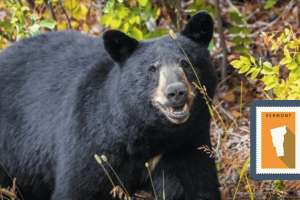
Any hunt would involve a specific quota, tagging system and mandatory reporting for harvest information. FWC estimates the state has about 4,000 bears, most within the Central Florida region from Ocala National Forest to the Wekiva area. It believes that area has about 1,200 bears. The population has grown since the last hunt in 2015, officials say, from about 3,200 bears at the time.