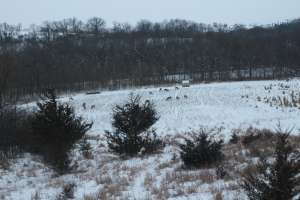

Creating a sanctuary — a percentage of a property thick with cover and left undisturbed — is a vital step to holding deer on your land. Deer prefer to bed in areas with zero human disturbance. So, despite the greatest urge to sneak in there for an all-or-nothing hunt for your target buck, you must resist and not disrupt the sanctuary; it could push him off the property entirely and blow your chances to hunt him in the future. He’s in there because he feels safe.
Now, there are two excusable visits to whitetail sanctuaries. First, if a wounded deer enters a sanctuary, it’s your ethical duty to follow the trail and exhaust every effort to recover the animal, even if that means spooking other deer from the sanctuary. The second excusable sanctuary visit, according to the QDMA’s Kip Adams, a certified wildlife biologist, is to learn and assess the sanctuary during early spring.
“It’s important to go into whitetail sanctuaries once or twice each spring so that you can evaluate them,” Adams said. “You might find that cover is growing too high and that some work is required to re-establish denser ground cover. I believe you absolutely must go in at least once annually during the offseason.”
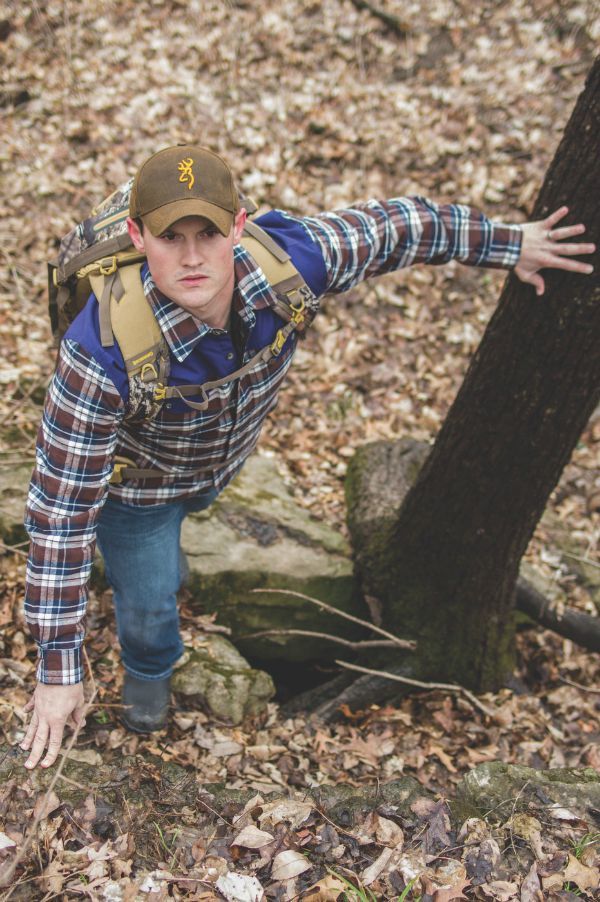
In addition to making assessments, exploring a sanctuary after bucks have lost their antlers is a great way to find sheds and even pinpoint exact bedding locations. You can learn so much about a buck by discovering all of his clues and journaling your findings. This information can help you craft effective hunting strategies for the outside fringes of the sanctuary in the coming seasons. Look for old scrapes and rubs leading out of the sanctuary and plan to hunt these locations.
“Numerous folks have told me they’ve never walked into their sanctuaries,” Adams said. “I think that’s foolish. One or two minor disturbances in the springtime will have zero impact on your hunting the following fall, and the intel you’ll gain by going in is invaluable.”